

Cosmetic Dentist in China: How International Patients Choose a Safe Option
Many international patients start searching for a cosmetic dentist when local treatment feels expensive, slow to schedule, or difficult to compare. The real question is not only price. A visitor also needs to understand suitability, materials, language support, records, travel timing, and follow-up.
China may be practical for some international visitors when pricing, records, language support, and follow-up are clearly planned. It is not automatically the right fit for every case. QGO Medical China provides coordination support only: we help international visitors understand provider categories, appointment pathways, document preparation, and communication needs. We do not provide dental diagnosis, treatment, emergency care, or promised medical outcomes.
This guide explains what a cosmetic dentist does, which procedures patients compare, how China fits into dental travel planning, and how to evaluate provider categories without relying on marketing claims.
What a Cosmetic Dentist Actually Does
A cosmetic dentist focuses on the appearance of the teeth, gums, bite line, and smile area. Common goals include improving tooth color, shape, spacing, symmetry, visible damage, or missing teeth. Some procedures are mainly aesthetic, while others overlap with restorative dentistry. The right option depends on oral health, bite condition, bone condition, gum health, and the patient's expectations.
International patients should be careful with the word cosmetic. A veneer, crown, implant crown, or aligner plan can change appearance, but it still needs a proper dental assessment. A licensed dentist may need X-rays, intraoral photos, gum evaluation, bite checks, and medical history before confirming whether a cosmetic plan is suitable.
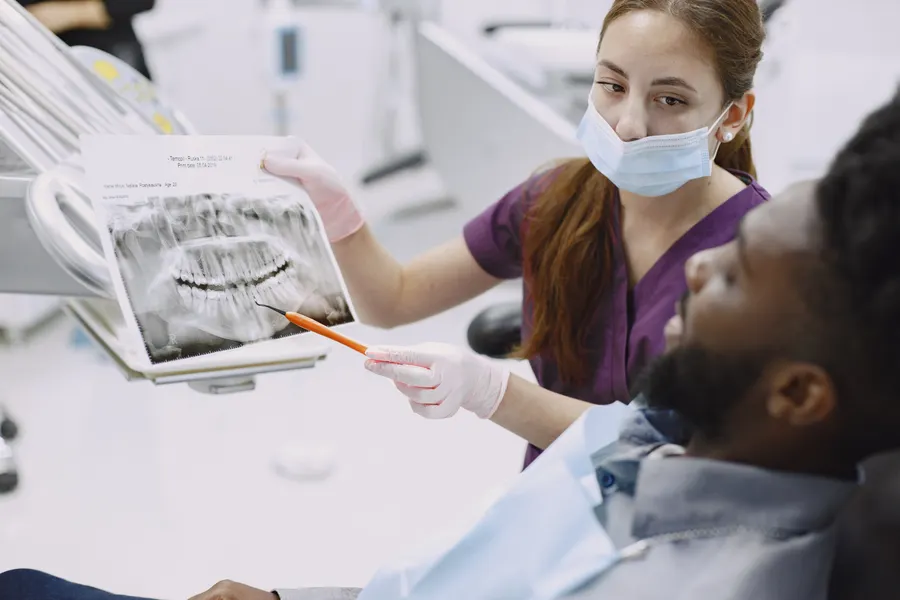
For visitors from the US, Canada, the UK, Europe, or Australia, the first step is usually not booking treatment. It is preparing enough information for a realistic pre-review. Useful materials include:
- Passport name and contact details for appointment registration
- Expected travel dates and length of stay in China
- Current symptoms, discomfort, or bite concerns
- Prior dental reports, X-rays, or CBCT scans if available
- Medication history, allergies, and relevant medical conditions
- Clear photos of the smile, bite, and teeth from multiple angles
- Previous treatment history, including crowns, veneers, root canals, implants, or orthodontics
These records do not replace an in-person exam. They help avoid unrealistic scheduling, missing fee items, and confusion about pre-arrival assessment.
Top Cosmetic Dental Procedures Patients Compare
Patients compare a small group of cosmetic dental procedures. Final recommendations should come from a licensed dentist after assessment, but the categories below help visitors understand the decision path.
| Procedure | What it may address | Typical planning questions | Travel consideration |
|---|---|---|---|
| Teeth whitening | Tooth color and staining | Is whitening suitable, and are restorations already present? | Often short, but sensitivity and results vary |
| Porcelain veneers | Shape, color, gaps, worn edges, visible front teeth | How many teeth, what material, and how much enamel preparation? | Usually requires planning and follow-up checks |
| Crowns | Damaged, heavily filled, or structurally weak teeth | Is the tooth cosmetic-only, restorative, or both? | May require temporary crown and return timing |
| Dental implants | Missing teeth and implant-supported restorations | Bone condition, implant system, crown plan, staged visits | Often requires staged treatment and long follow-up |
| Clear aligners | Mild to moderate alignment concerns | Is the case suitable, and how long will movement take? | Follow-up can extend after travel |
| Smile design | Combined planning across color, shape, bite, and symmetry | Which teeth are involved, and what is realistic? | Requires careful records and expectation setting |
For veneers, review QGO's guide to porcelain veneers in China. For missing teeth, the dental implants China price guide explains how reference prices vary by implant system, restoration plan, and case complexity.
The $100 dental implant consultation deposit and $100 porcelain veneer smile design deposit are deposits only. They are not full treatment fees and should not be read as final quotes for dental work.
Why Patients Consider a Cosmetic Dentist Outside Their Home Country
The most common reason is cost, but it is rarely the only reason. Some patients also look abroad for shorter appointment windows, travel planning, English coordination, or an itemized comparison before committing locally.
For higher-income patients in the US, Canada, Europe, or Australia, cosmetic dental work can become expensive when multiple teeth are involved. Veneers, crowns, implants, diagnostic scans, temporary restorations, whitening, and follow-up appointments can all add to the total. A lower reference price abroad may help, but travel costs, staged visits, revision risk, and home-country follow-up must be considered.
China may be attractive for some visitors because major cities have modern dental facilities, digital imaging, a wide range of imported and domestic materials, and clinics used to serving international residents. The practical challenge is comparison. Patients need to know what is included, what is not included, who communicates in English, how records are handled, and how a plan can be followed after returning home.
QGO's role is coordination, not the dental work itself. We help visitors prepare records, understand appointment options, ask clearer fee questions, and arrange communication support where available. Clinical decisions belong to licensed dental professionals.
For a broader overview of travel planning, read the dental tourism China guide. It explains how visitors compare China with other dental travel destinations without assuming one country fits every patient.
Cost Comparison: US, Canada, EU, Australia vs China
Cosmetic dental prices vary widely. The numbers below are reference ranges only, not final quotes. Final pricing depends on the clinic assessment, dentist's plan, material selection, number of teeth, implant system, bone condition, bite complexity, scans, city, lab fees, sedation needs, and follow-up requirements.
| Procedure | US / Canada reference range | UK / EU / Australia reference range | China QGO reference price or estimated range |
|---|---|---|---|
| In-office whitening | USD 300-1,000 | USD 250-800 | USD 120-400 starting reference |
| Porcelain veneer, per tooth | USD 900-2,500 | USD 700-1,800 | USD 280-900 estimated range |
| Ceramic or zirconia crown, per tooth | USD 1,000-2,500 | USD 700-1,800 | USD 300-900 estimated range |
| Dental implant restoration, per tooth | USD 3,000-6,000+ | USD 2,500-5,500+ | Selected implant options may start around USD 600; imported systems and full restoration plans are often higher |
| Clear aligners | USD 3,000-8,000 | USD 2,500-7,000 | USD 1,500-5,000 estimated range |
| Smile design planning | Often bundled or charged separately | Often bundled or charged separately | Custom quote based on records and scope |
These price bands are useful only when the scope is comparable. A low veneer price may exclude temporary teeth, mock-up, lab upgrades, gum treatment, bite adjustment, or follow-up. An implant price may refer only to the fixture, not the abutment, crown, grafting, scans, medication, or later restoration.
Patients should ask for an itemized estimate that separates:
- Consultation and diagnostic imaging
- Procedure fee
- Material or implant system
- Lab fee
- Temporary restoration if needed
- Medication, anesthesia, or sedation if used
- Follow-up visits
- Revision or adjustment policy
- What happens if the patient leaves China before all checks are complete
A cosmetic dentist abroad may still be a serious option when the total plan is clear. It becomes risky when the patient compares only one headline price without checking what is included.
How to Evaluate a Cosmetic Dentist Abroad: Green Flags and Red Flags
A polished website is not enough. International patients should evaluate the process behind the treatment offer. Good cosmetic dental planning usually includes records, diagnosis boundaries, itemized pricing, realistic timing, and follow-up communication.
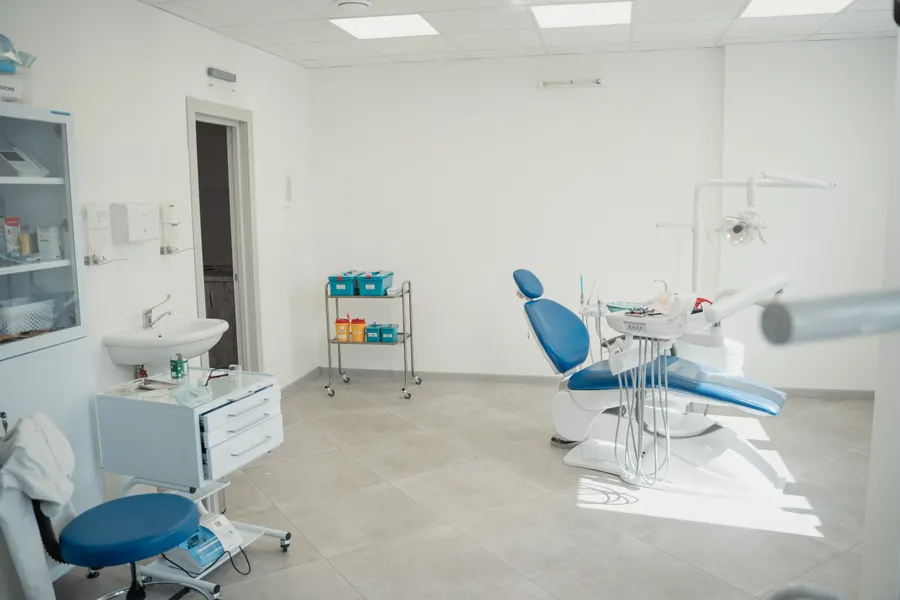
Green flags include:
- The provider asks for photos, X-rays, prior records, and medical history before discussing timing.
- The estimate separates consultation, imaging, materials, lab fees, and follow-up.
- The team explains what cannot be confirmed until an in-person dental exam.
- English-language communication is available for scheduling, fee clarification, and report handling.
- The plan includes aftercare instructions and what to do after returning home.
- The clinic is transparent about whether a case may require staged visits.
Red flags include:
- A final price is promised before records or examination.
- The provider promises a fixed aesthetic result or a fixed timeline for every case.
- The quote ignores bone condition, gum disease, bite issues, or previous dental work.
- The patient is pushed to complete major dental work in an unrealistically short trip.
- There is no clear English support for consent forms, aftercare, or complication instructions.
- The provider refuses to explain materials, implant systems, or lab involvement.
QGO can help visitors organize comparison questions and understand provider categories through medical travel concierge support. This is coordination support only. It is not a medical recommendation, diagnosis, treatment decision, or endorsement of a specific dentist.
English-Language Aftercare and Follow-Up Before You Fly Home
Aftercare is one of the biggest differences between local and overseas cosmetic dentistry. A patient who gets veneers, crowns, implants, or aligners abroad should know who will answer questions after the trip, what records will be provided, and what symptoms require urgent local care.

Before leaving China, patients should request:
- A copy of treatment records in English where available
- Names or specifications of materials used
- Implant system details if implants were placed
- X-rays or scan files when appropriate
- Aftercare instructions and warning signs
- Follow-up timing and communication channel
- A clear explanation of what should be checked by a local dentist at home
Not every concern can be handled remotely. Severe pain, swelling, bleeding, fever, trauma, breathing difficulty, or other urgent symptoms require local emergency care or an appropriate licensed clinician. A travel coordinator cannot replace local emergency services.
Language support also matters before treatment. Patients should be able to understand consent documents, procedure limitations, risks, and alternatives. If English support is limited, the visitor should pause before proceeding with irreversible cosmetic work.
When a Cosmetic Dentist Abroad May Not Be a Fit
A cosmetic dentist abroad may not be a fit when the case is clinically complex, urgent, unstable, or difficult to follow after travel. Patients with active infections, uncontrolled gum disease, severe bite problems, complex implant needs, or major medical conditions may need a longer local care pathway before considering overseas cosmetic work.
Travel-based cosmetic dentistry may also be unsuitable when expectations are unrealistic. No dentist should promise a fixed aesthetic result, a fixed saving amount, or the same outcome for every patient. Tooth color, facial proportions, bite comfort, gum health, and material choices all affect the final plan.
Visitors should be cautious if they cannot stay long enough for checks or temporary restorations. Some dental treatments can be completed within a short trip, while others require healing, lab work, trial fitting, staged surgery, or later adjustment. A cosmetic plan that ignores timing may create avoidable follow-up problems.
It is also reasonable to choose local care instead. If a patient already has a trusted dentist at home, complicated medical history, or limited ability to return for follow-up, local treatment may be more practical even if the reference price is higher.
How QGO Medical Supports Cosmetic Dental Planning
QGO Medical China helps international visitors prepare for planned dental travel by coordinating information, not by providing dental treatment. Our support can include collecting basic case details, helping the patient understand what records may be needed, clarifying appointment options, and assisting with English-language communication where available.
A coordination pathway may include:
- Initial inquiry with travel dates, dental concerns, and desired procedure category
- Record preparation, including photos, prior X-rays, reports, and treatment history
- Provider category review and appointment pathway explanation
- Reference price clarification, including what may or may not be included
- Appointment support and travel coordination if the visitor decides to proceed
- Follow-up communication support after reports or instructions are issued
For trust, privacy, and service boundary details, review the QGO Trust Center and FAQ. These pages explain how coordination support differs from clinical care and why final medical or dental decisions must be made with licensed professionals.
FAQ
Is it safe to get cosmetic dental work in China?
It depends on the patient's case, provider category, records, communication, and follow-up plan. Some international visitors may find China practical for cosmetic dental planning, but the decision should not be based on price alone. Patients should check provider credentials, itemized fees, English support, aftercare instructions, and whether the treatment can be safely completed within the travel window.
How much do veneers cost in China vs the US?
Porcelain veneers in the US or Canada may commonly be discussed in the USD 900-2,500 per tooth range, depending on location, dentist, lab, and material. China QGO reference pricing for veneers may fall around USD 280-900 per tooth, depending on clinic assessment, material, city, case complexity, and follow-up needs. These are reference ranges only, not final quotes.
Will English-speaking staff handle my cosmetic dentist case?
English-language support varies by clinic, city, and appointment type. International patients should confirm whether English support is available for scheduling, consent forms, treatment explanation, fee clarification, and aftercare instructions. QGO can help coordinate communication where available, but the dental work itself is performed by licensed dental professionals.
Can I complete veneers, crowns, or implants in one trip?
Some cosmetic dental procedures may fit into one trip, but others require staged visits, healing time, lab work, or follow-up checks. Dental implants often involve multiple stages. Veneers and crowns may require scans, preparation, temporary restorations, trial fitting, and final adjustment. Timing should be confirmed after a dentist reviews the case.
Does QGO recommend a specific cosmetic dentist?
QGO does not publicly rank, endorse, or promise outcomes from any specific dentist, hospital, or clinic. QGO provides coordination support, helps visitors understand provider categories and planning questions, and assists with communication where available. Clinical recommendations, diagnosis, and treatment decisions belong to licensed dental professionals.
QGO Medical China provides coordination support only. We do not provide medical diagnosis, treatment, or emergency care. All medical decisions should be made in consultation with a licensed physician or licensed dental professional.
Related Articles
- Dental bonding before and after – real procedure walkthrough – same cluster (2026-07-09)
- Dental bonding near me – cost guide and what to expect – same cluster (2026-07-10)
- Cosmetic dental bonding – differences from restorative bonding – same cluster (2026-07-10)
- Dental bonding – what to know before you book – same cluster (2026-07-11)
- Cost of veneers dental in 2026 – per-tooth price breakdown – same cluster (2026-07-11)
- Dental veneers for missing teeth – what actually works – same cluster (2026-07-12)
- Cosmetic dentistry services in China – 2026 menu and how to choose – same cluster (2026-07-13)
- Porcelain veneers pricing in China by tier – related service page