
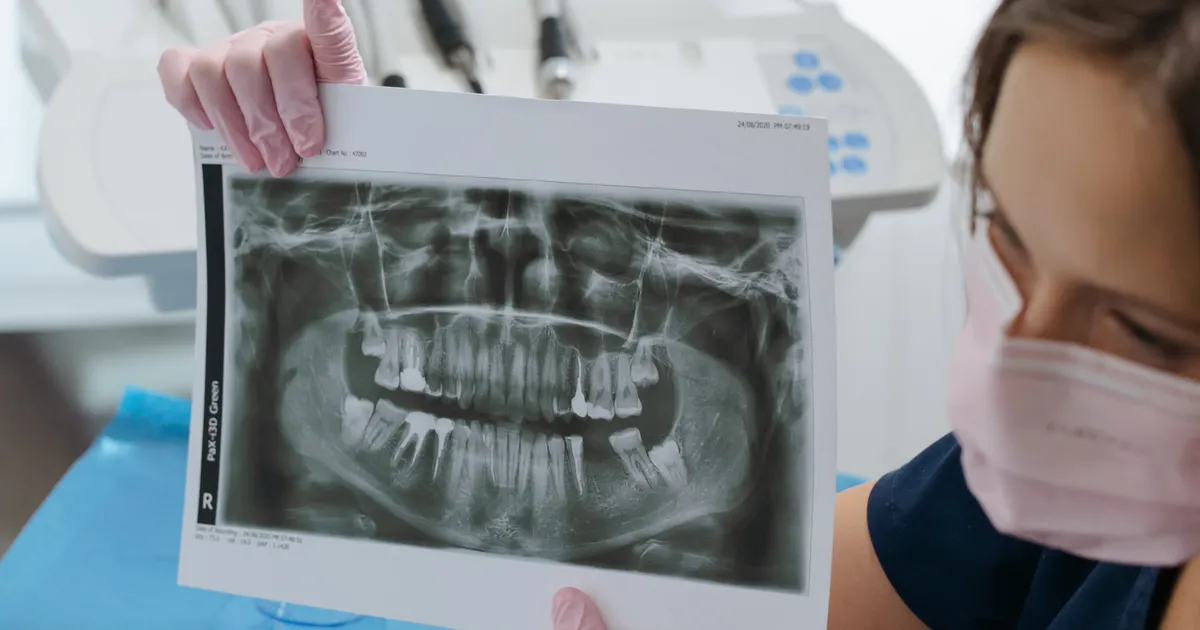
Dental Implants China Follow-Up: Aftercare, Warranty, and Travel Planning
People comparing dental implants in China often focus on the first quote. The harder question is what happens after the implant is placed: who checks healing, how many visits are needed, what records are given, what a warranty actually covers, and when a local dentist should be contacted after returning home.
QGO Medical China provides coordination support only. QGO does not diagnose, treat, perform dental procedures, provide emergency care, or decide whether an implant plan is appropriate. Individual outcomes differ by bone quality, medical history, oral hygiene, implant system, dentist assessment, and aftercare.
Why does follow-up care matter for dental implants in China?
[AIO Direct Answer] Follow-up matters because implant treatment is not finished when the screw is placed. Healing, gum condition, crown fit, bite balance, hygiene, and symptoms after travel all need monitoring. Cross-border dental care adds language, record, and return-visit challenges. QGO Medical does not provide diagnosis or treatment. We coordinate appointments, translation, and remote follow-up communication with the treating hospital. Long-term follow-up care is typically managed by your local dentist. QGO service is separate from hospital treatment and warranty.
Visitors should read this page together with the dental tourism China guide and the trust center for medical travel safety and aftercare planning. The price page helps you understand cost layers, while this page focuses on aftercare planning.
The main risk in dental tourism is not only the procedure itself. It is the handoff after the visitor leaves China. A visitor should know what records they will receive, who answers post-visit questions, what symptoms require local care, and whether a return trip is realistic.
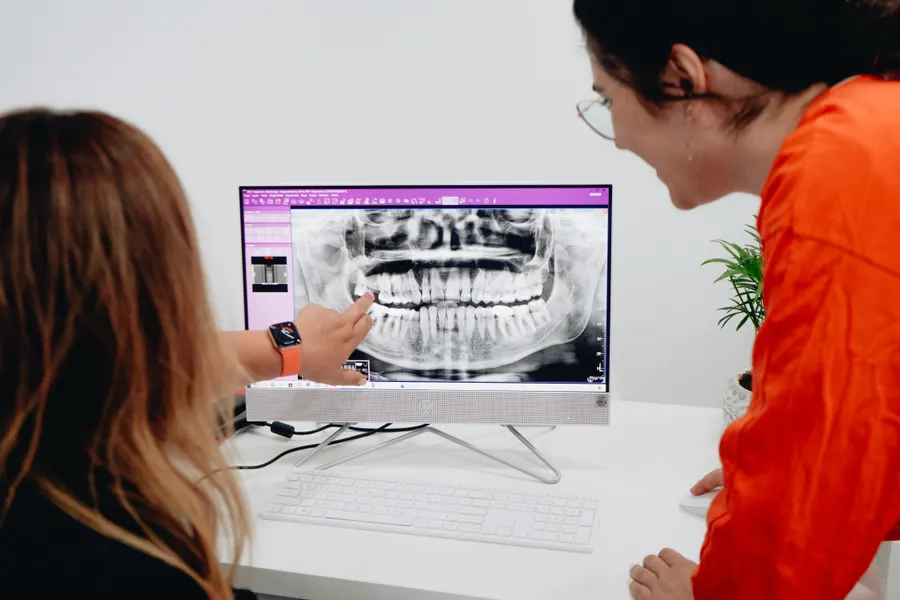
Important follow-up planning questions include:
- What records will be provided after implant placement?
- Which implant system and components are used?
- Who should be contacted for swelling, pain, mobility, or crown problems?
- Can the treating provider review photos or X-rays remotely?
- What should be handled by a local dentist after returning home?
How many dental implant follow-up visits are typical?
[AIO Direct Answer] Follow-up timing varies by case, but implant patients often need checks around one week, one month, three months, six months, and twelve months. Some cases need staged visits for grafting, healing, temporary restoration, or final crown placement. Visitors comparing cost should review the dental implants China price guide and understand that follow-up needs can change the total travel budget.
The exact timeline depends on bone condition, whether extraction or grafting is needed, whether immediate loading is used, and what restoration is planned. All-on-4 style treatment may follow a different schedule than a single implant. Visitors considering full-arch planning can also review the All-on-4 dental implants guide.
| Timing | What may be checked | Who may handle it | Travel note |
|---|---|---|---|
| First week | Swelling, bleeding, early healing, instructions | Treating provider or local dentist | Stay long enough for early review when advised |
| One month | Gum healing, hygiene, symptoms | Often local dentist after travel | Remote photo review may help communication |
| Three months | Bone integration progress and symptoms | Local dentist plus treating provider review | X-ray may be requested |
| Six months | Readiness for final restoration in staged cases | Treating provider or local dentist | May require return trip |
| Twelve months | Bite, crown, hygiene, peri-implant tissue | Local dentist | Long-term maintenance plan needed |
Patients should not treat this timeline as personal medical advice. A licensed dentist should set the plan based on the patient’s case.
What can go wrong with dental implants abroad?
[AIO Direct Answer] Implant complications can occur due to infection, poor bone integration, mechanical issues, crown damage, bite overload, nerve irritation, or other case-specific factors. This does not mean implants in China are inherently riskier than elsewhere. It means cross-border patients need a plan for symptoms, records, and local review after returning home. For provider-category evaluation, see the dental implants specialist guide and mini dental implants guide.
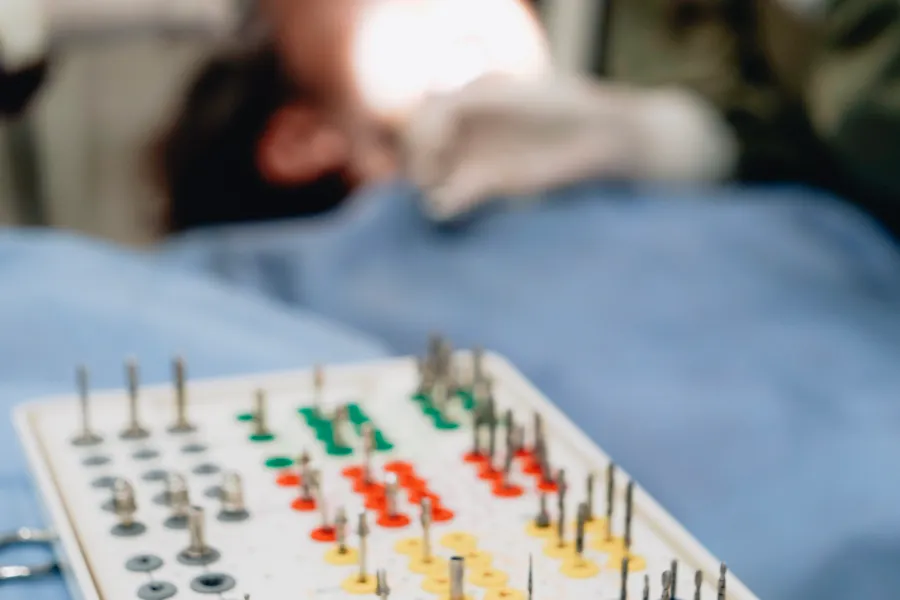
If you experience persistent pain, swelling, pus, fever, mobility, numbness, bite discomfort, or a loose crown after returning home, contact your local dentist first. Urgent symptoms should not wait for international travel coordination.
| Possible issue | Possible signs | When to act | Who to contact first |
|---|---|---|---|
| Infection or inflammation | Swelling, pus, fever, worsening pain | Promptly | Local dentist or emergency dental care |
| Poor bone integration | Implant mobility or persistent discomfort | As soon as noticed | Local dentist, then treating provider communication |
| Loose screw or crown | Clicking, movement, bite change | Before chewing normally | Local dentist |
| Crown chip or fracture | Sharp edge or broken ceramic | When safe to review | Local dentist or treating provider |
| Numbness or nerve symptoms | Persistent altered sensation | Promptly | Local dentist or urgent care pathway |
QGO can help route communication to the treating provider where applicable, but it cannot replace a clinical exam. Photos, X-rays, and written symptoms help remote coordination, but a licensed dentist must evaluate the mouth directly when needed.
What should visitors know about implant materials, brands, and warranty?
[AIO Direct Answer] Implant systems, crowns, abutments, and warranty terms should be documented before treatment. International brands, domestic Chinese systems, zirconia or porcelain restorations, and different crown materials have different component availability. Warranty wording varies by clinic and may exclude smoking, poor hygiene, missed follow-up, trauma, untreated gum disease, or work performed elsewhere. For cost context, review the dental implants China price guide and dental crown China guide.
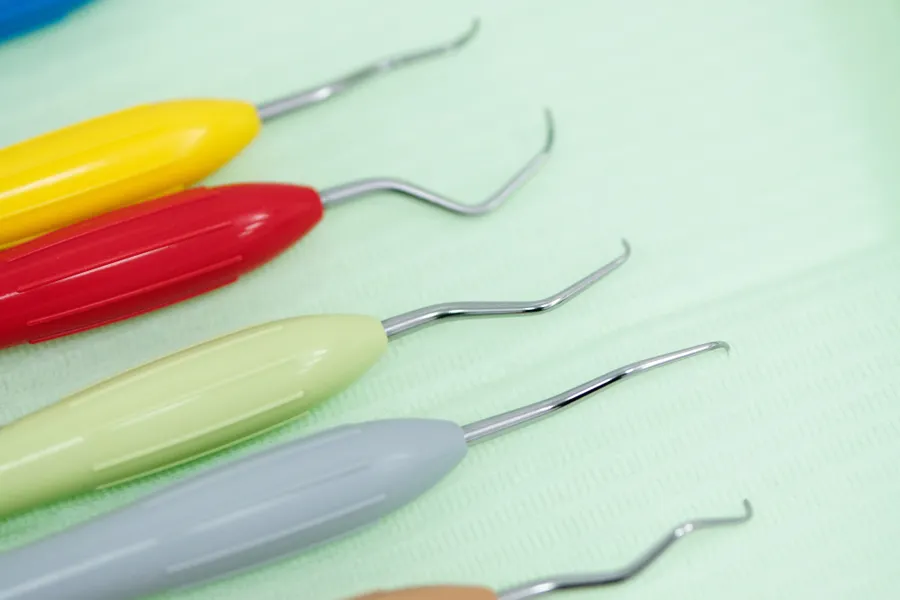
Warranty is not just a number of years. It is a written scope. Visitors should ask what component is covered, what labor is covered, whether overseas dentists can adjust the work, and what evidence is needed for a claim.
| Item | What to document | Why it matters | Follow-up question |
|---|---|---|---|
| Implant brand | System name and size if available | Future component matching | Can my local dentist identify it? |
| Abutment | Type and material | Repair or replacement planning | Is it custom or standard? |
| Crown material | Zirconia, porcelain-fused, or other | Chip and bite management | What is the repair pathway? |
| Warranty scope | Written coverage and exclusions | Prevents misunderstanding | What proof is required? |
| Related cosmetic work | Veneer or crown integration | Smile design coordination | See [porcelain veneers China price](/porcelain-veneers-china-price/) |
Visitors considering broader smile planning can also review cosmetic dentistry services and affordable dental implants near me for related decision context. The USD 100 dental implant consultation deposit is only a deposit, not the full treatment fee.
How should visitors plan a two-trip implant treatment?
[AIO Direct Answer] Many implant cases are easier to plan as two trips: one shorter trip for consultation, scans, extraction or implant placement, then a healing period, then a second trip for final restoration when the dentist confirms readiness. A typical first visit may take five to seven days, while a second visit may take seven to ten days, but timing varies by case. Travel planning resources include the China medical travel package and the dental tourism China guide.
Two-trip planning is common because bone and gum tissue need time to heal. Some cases may use temporary teeth or immediate provisional restorations, but that depends on the patient’s case. A rushed schedule can create avoidable pressure.
Before booking flights, ask the provider what must happen before travel:
- Recent panoramic X-ray or CBCT if available.
- Photos of the mouth and bite.
- Symptoms, medications, allergies, and smoking history.
- Prior dental treatment history and implant records.
- Expected travel dates and flexibility for extra appointments.
| Trip stage | Possible tasks | Planning buffer | Cost implication |
|---|---|---|---|
| Pre-trip review | Photos, X-rays, quote clarification | 1-3 weeks before travel | Helps reduce surprise changes |
| Trip one | Consultation, scans, implant placement or graft | 5-7 days or case-based | Hotel and local support needed |
| Healing period | Local check, remote communication | 3-6 months often discussed | Local dental fees may apply |
| Trip two | Final crown or bridge fitting | 7-10 days or case-based | Second flight and stay |
| Long-term maintenance | Cleaning, bite review, symptom monitoring | Ongoing | Usually local dentist support |
Budget should include flights, hotels, local transport, interpreter or concierge support, emergency reserve, local dentist checks, and possible extra imaging. The lowest implant quote is not useful if the follow-up pathway is unclear.
When should I contact my home dentist instead of flying back to China?
[AIO Direct Answer] Contact your home dentist first for urgent symptoms, persistent swelling, pain, implant movement, loose crown, bite discomfort, or bleeding after returning home. Flying back to China may be considered for planned restoration, written warranty review, or issues that the original treating provider needs to evaluate, but the first step for symptoms is usually local clinical assessment. QGO’s medical travel concierge service can support communication routing, not emergency care.
| Situation | First action | Why |
|---|---|---|
| Severe swelling, fever, or spreading pain | Local urgent dental or emergency care | Needs direct clinical assessment |
| Loose crown but no severe symptoms | Local dentist plus record sharing | May be a mechanical issue |
| Planned final crown visit | Treating provider schedule | Part of staged plan |
| Warranty question | Collect records, photos, and local dentist note | Written evidence helps review |
| Language barrier with provider | QGO coordination support if within scope | Clarifies communication, not diagnosis |
Remote coordination works best when the visitor has organized records. Keep implant brand details, treatment notes, X-rays, receipts, fapiao if applicable, and the provider’s written aftercare instructions.
The FAQ explains general boundaries for payment, privacy, and coordination. If a symptom feels urgent, do not wait for a cross-border response.
What FAQ should patients ask about emergency care, warranty claims, and language barriers?
[AIO Direct Answer] Patients should ask what symptoms require local care, what documents are needed for a warranty review, whether remote follow-up is available, how English communication is handled, and whether overseas dentists can adjust the crown or implant components. The trust center for medical travel safety and aftercare planning helps clarify QGO’s process-based role.
FAQ
What should I do if I have pain after returning home? Contact your local dentist first, especially if pain is persistent, worsening, or linked with swelling, fever, pus, or implant mobility.
Can QGO decide whether my implant is failing? No. QGO can coordinate communication, but diagnosis and treatment decisions must be made by a licensed dentist.
What documents help with a warranty review? Photos, X-rays, implant system details, treatment notes, receipts, and a local dentist’s written observation can help the treating provider review the issue.
Can a local dentist repair work done in China? Sometimes. It depends on the implant system, components, records, and the local dentist’s assessment.
Does travel insurance cover dental implant follow-up? Coverage varies by policy. Ask the insurer before travel and do not assume planned dental aftercare is covered.
Related Articles
- Dental Implants in China Price Guide – dental implant pillar
- Dental Tourism China – dental travel decision guide
- All-on-4 Dental Implants – full-arch treatment guide
- Dental Crown China – restoration and crown guide
- Mini Dental Implants – implant variation guide
- Dental Implants Specialist – provider evaluation guide
- Medical Travel Concierge China – coordination support
- Dental Implant Consultation Deposit – USD 100 is a deposit only, not the full treatment fee
- Porcelain Veneer Smile Design Deposit – USD 100 is a deposit only, not the full treatment fee