
Dental Bonding Near Me: Costs, Options, and China Planning Guide
What Is Dental Bonding and How Does It Work?
Dental bonding is a cosmetic or restorative dental procedure where a licensed dentist applies tooth-colored composite resin to a tooth, shapes it, hardens it with a dental light, and polishes it. A dental bonding near me search often starts with small chips, minor gaps, edge reshaping, selected discoloration, and conservative contour changes. Bonding sits inside the broader scope of cosmetic dentistry, and international patients can compare it with veneers, crowns, whitening, and aligners in QGO's cosmetic dentistry overview for international patients. Suitability depends on enamel, bite, tooth position, oral hygiene, and dentist assessment.
Dental bonding may be discussed for:
- Small chips on front teeth
- Minor gaps between teeth
- Uneven or worn edges
- Localized discoloration or white spots
- Shape changes where tooth structure is mostly healthy
- Selected protective covering for sensitive exposed areas
QGO Medical China provides coordination support only. QGO does not diagnose, select treatment, apply composite resin, or provide emergency care. Dental decisions should be made by licensed dental professionals.
How Much Does Dental Bonding Cost Near Me in 2026?
Dental bonding near me searches usually show local per-tooth prices, but international patients should compare the same scope before judging value. In 2026, US bonding often appears around USD 288-915 per tooth, UK bonding often starts around GBP 200-500 per tooth, EU pricing commonly varies by city, and China QGO reference pricing may start around USD 60-350 per tooth for selected bonding cases. These are reference ranges only. Final dental bonding near me comparisons should account for tooth condition, number of surfaces, shade matching, polishing time, city, clinic category, and dentist assessment.
| Location | Per tooth reference price | Per session pattern | Insurance coverage | Typical visit count |
|---|---|---|---|---|
| US | USD 288-915 | Often billed per tooth or surface | May be covered if restorative, often not if cosmetic | 1 visit for simple cases |
| UK | GBP 200-500 | Edge bonding may be lower; cosmetic bonding higher | Private cosmetic bonding often self-pay | 1 visit or staged for multiple teeth |
| EU average | EUR 150-600 | Varies strongly by country and city | Public/private rules vary | 1 visit for simple cases |
| China QGO reference | USD 60-350 | Usually case-based after review | Self-pay for international visitors | 1 visit for simple cases, more for complex plans |
Price differences usually reflect labor cost, clinic positioning, dentist experience, material choice, time spent on polish and shade matching, and whether the case is cosmetic or restorative. If you are comparing bonding with veneers, QGO's porcelain veneers pricing in China by tier puts the per-tooth math side by side. For the wider procedure menu, the cosmetic dentistry cost breakdown across procedures explains where bonding sits.
Dental Bonding vs Veneers vs Crowns: Which Fixes What?
Bonding, veneers, and crowns solve different problems. Bonding is often used for small cosmetic repairs or conservative reshaping. Veneers may be considered when a patient wants broader front-tooth color, shape, or surface changes. Crowns usually involve more tooth coverage and may be used when a tooth is structurally weak, heavily restored, or needs protection. The choice depends on tooth condition, bite, enamel, budget, expected maintenance, and a licensed dentist's assessment, not on before-and-after photos alone.
| Option | Cost per tooth reference | Durability range | Tooth preservation | Procedure time | Often used for | Main drawbacks |
|---|---|---|---|---|---|---|
| Bonding | USD 60-915 depending location | Often 3-10 years | Usually conservative | Often 30-60 minutes per tooth | Small chips, gaps, edge reshaping | Staining, chipping, touch-ups |
| Veneers | Often USD 700-2,500+ | Often longer than bonding | May require enamel preparation | Usually 2+ visits | Broader color and shape changes | Higher cost, harder to repair |
| Crowns | Often USD 800-2,500+ | Case dependent | More tooth coverage | Usually 2+ visits | Weak or heavily restored teeth | More invasive, higher fee |
When the damage moves beyond a small chip, porcelain veneers pricing in China by tier becomes the natural next comparison. For the full procedure family inside cosmetic dentistry, QGO's cosmetic dentistry service overview in China maps bonding against alternatives.
Bonding may be a clearer fit when:
- The concern is a small front-tooth chip.
- The patient wants a conservative first step.
- The tooth has enough healthy enamel.
- The bite does not place heavy pressure on the repaired area.
- The patient accepts future polish, repair, or replacement.
Who Is a Good Candidate for Dental Bonding and Who Is Not?
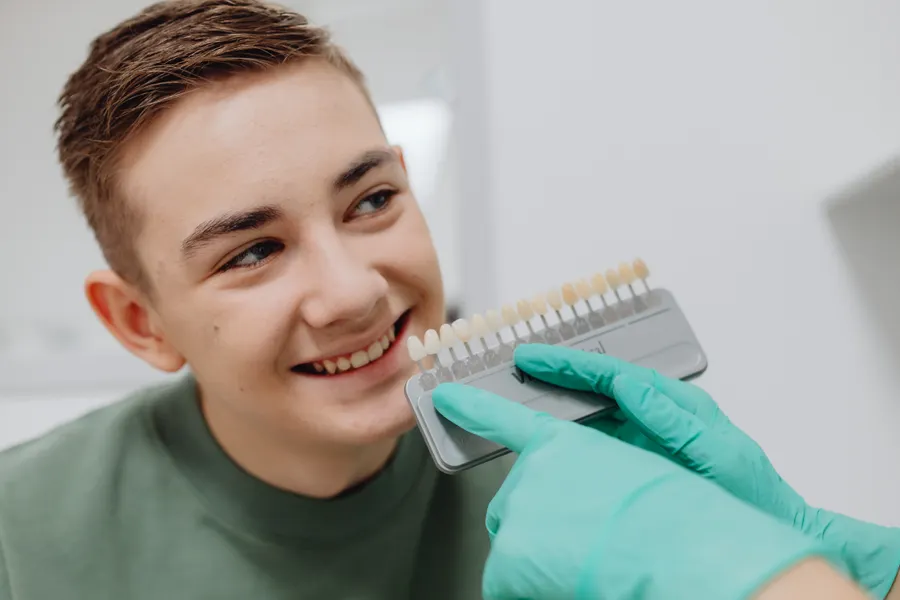
A good dental bonding candidate usually has small cosmetic or minor restorative concerns, enough healthy tooth structure, realistic expectations, and a bite that does not overload the bonded area. A dental bonding near me result may not be suitable for large fractures, severe discoloration, heavy grinding, active decay, gum disease, major alignment issues, or cases where a veneer, crown, orthodontic plan, or implant-supported restoration is clinically more appropriate. The decision depends on dentist assessment and the patient's case.
Bonding may fit patients who have:
- One or several small chips
- Minor gaps between front teeth
- Slightly uneven tooth edges
- Healthy enamel around the treatment area
- Mild color concerns that resin can reasonably mask
- A preference for a conservative option before porcelain work
Bonding may not fit patients who have:
- Large broken areas or weak tooth structure
- Heavy grinding or clenching without protection
- Active decay or untreated gum disease
- Deep staining that resin cannot predictably cover
- Major bite, alignment, or missing-tooth problems
When your situation moves past bonding into a full smile plan, QGO's complete cosmetic dentistry treatment overview in China walks through how procedures layer together.
What Happens During a Dental Bonding Procedure Step by Step?
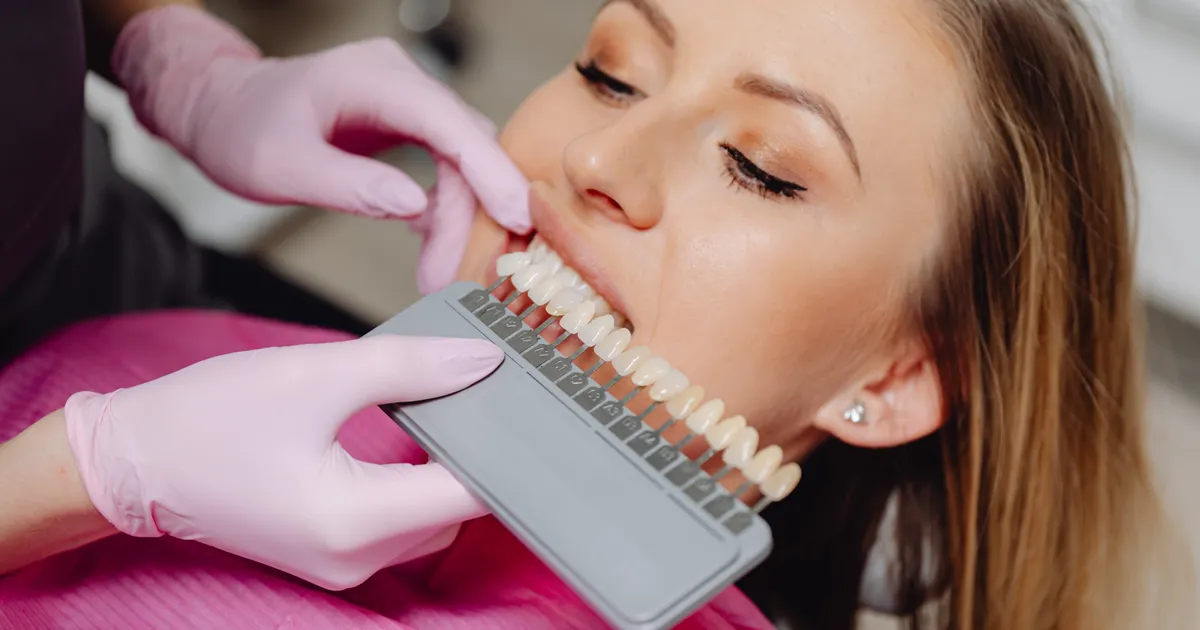
A dental bonding procedure often takes about 30-60 minutes per tooth for simple cases, though complex or multi-tooth cosmetic work can take longer. A dental bonding near me appointment usually includes resin shade selection, tooth surface preparation, bonding agent placement, composite resin layering, shaping, dental light hardening, and final polishing. Local anesthesia may not be needed for minor cosmetic bonding, but clinical decisions depend on the tooth and patient comfort.
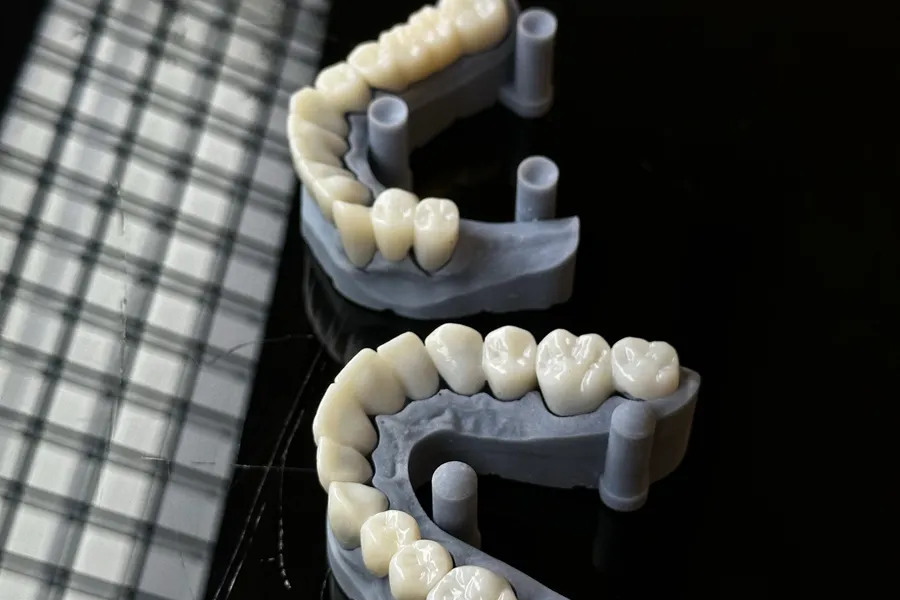
- The dentist examines the tooth surface and checks whether bonding is suitable.
- The dentist selects a composite resin shade to match nearby teeth.
- The tooth surface may be lightly roughened or conditioned.
- A bonding agent is applied so the resin can attach.
- Composite resin is placed, shaped, and layered.
- A dental light hardens the resin.
- The dentist trims, polishes, and checks the bite.
Selecting the right resin shade is one part of the consultation process described in QGO's cosmetic dentists in China planning overview. Shade choice should match real teeth under clinic lighting, not just a phone photo.
Cross-Border Aftercare: How Do You Manage Dental Bonding Follow-Ups at Home?
Cross-border dental bonding aftercare is usually manageable when the case is simple, instructions are clear, and the patient has a local dentist for future maintenance. A dental bonding near me choice becomes harder when treatment is done abroad because staining, chipping, bite discomfort, rough edges, and local review need to be planned. Remote coordination can help with records and communication, but it cannot replace an in-person exam if pain, swelling, fracture, or bite problems occur after travel.
After returning home, patients should:
- Avoid coffee, tea, red wine, and strong staining foods for the first 24-48 hours if instructed.
- Avoid biting hard objects such as pens, ice, or fingernails.
- Use a night guard if a licensed dentist recommends it for grinding.
- Ask for records showing which teeth were bonded.
- Photograph any chip, rough edge, or color change before contacting the clinic.
- Schedule local dental review if the bite feels high or uncomfortable.
Remote follow-up can work in a basic sequence:
- QGO helps collect post-visit questions, photos, or records when coordination support applies.
- The provider may clarify non-urgent aftercare instructions where available.
- The patient uses a local dentist for physical repair, bite adjustment, or urgent symptoms.
- Records are kept for future comparison or veneer planning.
For a clearer picture of cross-border logistics, QGO's medical travel coordination service in China shows the same before, during, and after flow.
Is Getting Dental Bonding in China Safe and Worth Considering?
Getting dental bonding in China may be worth considering for some international patients when the case is limited, prices are transparent, English coordination is available, and follow-up expectations are realistic. A dental bonding near me search can become a China comparison when local prices are high or appointment access is slow, but cost alone should not drive the decision. The patient still needs dentist assessment, shade planning, hygiene review, a clear quote, and a plan for repairs or follow-up after returning home.

| Option | Cost | English support | Follow-up ease | Regulatory and care pathway |
|---|---|---|---|---|
| US local clinic | Higher reference cost | Usually straightforward | Easiest local follow-up | Local rules and local records |
| Mexico or Costa Rica | Often lower than US | Varies by clinic | Travel-based follow-up | Destination-specific pathway |
| China | QGO reference pricing may be lower | Coordination may be available | Needs local-home follow-up plan | Provider category and city vary |
To see how bonding fits inside QGO's complete cosmetic dentistry service for international patients in China, compare the treatment goal with alternatives before booking. China pricing should also be compared with the porcelain veneers pricing guide for China when the case involves many front teeth. Airport-to-clinic transfers can be handled through QGO's private pickup and drop-off service when logistics support is needed.
QGO may help with:
- Appointment pathway clarification
- English-language coordination where available
- Basic record preparation
- Price boundary questions
- Airport or city transfer support
- Non-urgent post-visit communication support
FAQ
Is dental bonding painful?
Dental bonding is often not painful for small cosmetic repairs because the procedure usually works on the outer tooth surface and may not require anesthesia. Sensitivity can vary if the tooth has decay, cracks, exposed dentin, or prior dental work. A licensed dentist should assess whether numbing is needed and whether bonding is suitable. For broader treatment comparison, QGO's cosmetic dentistry overview for international patients explains where bonding sits among veneers, crowns, whitening, and other options.
How long does dental bonding last on front teeth?
Dental bonding on front teeth often lasts several years, with many sources discussing a broad 3-10 year range. Lifespan depends on bite force, oral hygiene, staining habits, tooth location, resin quality, polishing, grinding, and whether the patient bites hard objects. Bonding may need repolishing, repair, or replacement over time. A dentist should explain expected maintenance based on the tooth and case.
Can dental bonding fix a chipped tooth in one visit?
Dental bonding can often repair a small chipped front tooth in one visit when the tooth is otherwise healthy and the bite does not overload the repair. Larger fractures, active decay, pain, or weak tooth structure may require a different plan such as a veneer, crown, or restorative treatment. Same-day repair should still include shade matching, bite check, and aftercare instructions.
Will my dental bonding stain over time?
Dental bonding can stain over time because composite resin is generally more stain-prone than porcelain. Coffee, tea, red wine, smoking, rough polish, and poor hygiene can increase discoloration risk. Patients can reduce visible staining by following care instructions, avoiding heavy staining early after treatment, and scheduling professional polishing when recommended. Staining expectations should be discussed before choosing bonding for multiple front teeth.
Should I get bonding or veneers for a small chip?
Bonding may be considered for a small chip when the tooth has enough healthy structure and the patient wants a conservative repair. Veneers may be considered when color, shape, surface, or symmetry concerns involve a wider visible area. The decision depends on enamel, bite, cosmetic goals, cost, and maintenance tolerance. A licensed dentist should compare both options before irreversible tooth preparation.
Related Articles
- Cosmetic dentistry overview and cost guide for international patients in China – PILLAR overview
- Cost of veneers and what affects the price in 2026 – same cluster
- Dental veneers for missing teeth and what actually works – same cluster
- Cosmetic dentistry services available in China – same cluster
- Dental bonding planning before booking treatment – same cluster
- Cosmetic dental bonding differences from restorative bonding – same cluster
- Porcelain veneers pricing in China by tier – related service page
QGO Medical China provides coordination support only. We do not provide medical diagnosis, treatment, or emergency care. All medical decisions should be made in consultation with a licensed physician or licensed dental professional.