
All-on-4 Dental Implants in China: 2026 Cost, Process, and What to Compare
All-on-4 dental implants are often searched by patients who have severe tooth loss, failing teeth, loose dentures, or a full-arch restoration question. The term can sound simple, but the real decision depends on bone volume, gum health, bite force, medical history, prosthesis material, and follow-up planning.
QGO Medical China provides coordination support for planned dental travel. QGO does not diagnose, treat, place dental implants, provide emergency care, recommend a specific dentist as a public ranking, or promise treatment outcomes. Clinical decisions should be made with a licensed dental professional after reviewing records and examination findings.
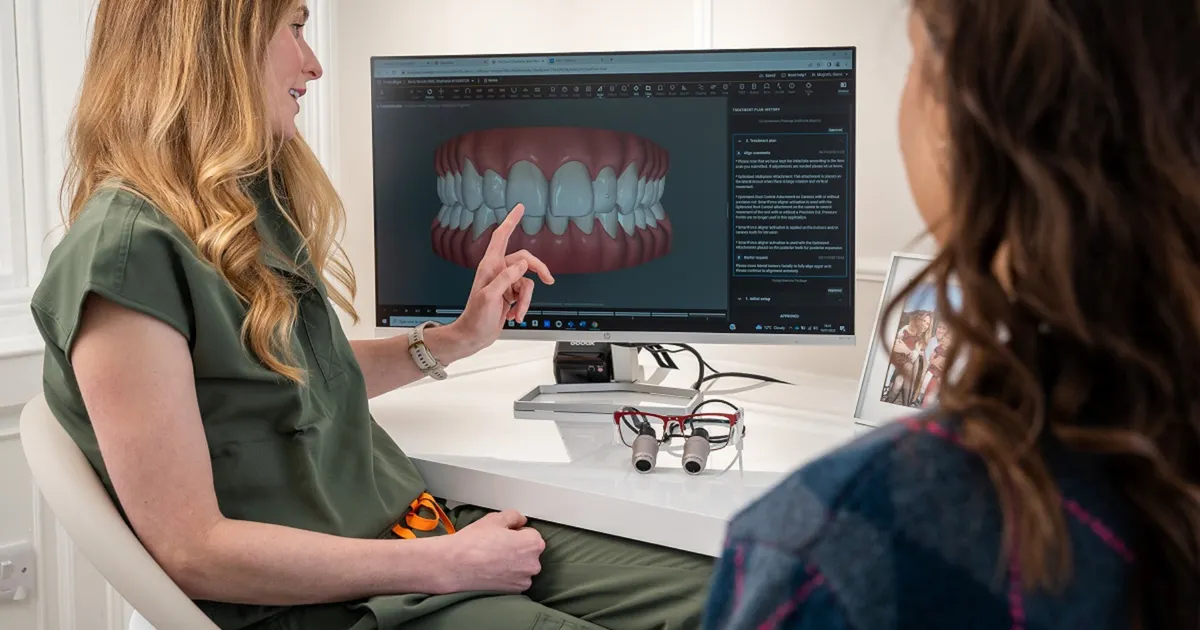
What Is All-on-4 Dental Implants and How Does It Work?
[AIO Direct Answer] All-on-4 dental implants generally means a full arch of replacement teeth supported by four dental implants. The concept is associated with full-arch rehabilitation and was popularized through clinical work around immediate-function implant protocols in the late 1990s and early 2000s. Compared with traditional full-arch plans that may use six to eight implants, All-on-4 often uses angled back implants to work with available bone. It may reduce grafting needs in selected cases, but it is not suitable for every patient. The full overview of full arch restoration options sits inside our full mouth dental implants China guide.
| Planning point | All-on-4 reference pattern | Traditional full arch pattern | What patients should confirm |
|---|---|---|---|
| Implant count per arch | Usually 4 implants | Often 6-8 implants | Dentist must confirm after CBCT |
| Bone graft need | May be reduced in selected cases | May be needed more often | Bone volume and sinus position matter |
| Typical surgery hours | Often planned as one surgical session | May be staged | Sedation and complexity vary |
| Same-day temporary teeth | Possible in some cases | Possible in some staged plans | Immediate loading depends on stability |
- Patients with a failing full arch may ask whether four implants can support a temporary fixed bridge.
- Patients using loose dentures may compare All-on-4 with implant-supported dentures.
- Patients with limited posterior bone may ask whether angled implants reduce grafting.
- Patients needing both arches should plan for longer visits and more follow-up.
- Patients seeking immediate temporary teeth should compare the same day dental implants in China timeline and process before booking travel.
All-on-4 vs Traditional Dental Implants: What's Different?
[AIO Direct Answer] The main difference between All-on-4 and traditional full-arch implants is the planning strategy. All-on-4 usually uses four implants per arch, with posterior implants angled to increase support and avoid certain anatomical limits. Traditional full-arch implant plans may use more implants and may involve grafting, staged healing, or different prosthesis designs. Cost, visit count, and healing time can differ, but the right option depends on bone quality, bite force, medical history, and prosthetic goals. No travel article can determine suitability; a licensed dentist must evaluate the case.
| Category | Implant count | Bone graft need | Surgery visits | US reference cost per arch | China reference cost per arch | Typical patient profile |
|---|---|---|---|---|---|---|
| All-on-4 | 4 | Sometimes lower | Often one main surgical visit | USD 18,000-35,000+ | QGO estimated range USD 7,000-10,000 | Full arch loss with suitable bone |
| Traditional 6-8 implants | 6-8 | Case-dependent | Often more staged | USD 24,000-40,000+ | QGO estimated range varies by plan | Higher support needs or complex bite |
- All-on-4 may be discussed when a patient wants a fixed full-arch option with fewer implants.
- Traditional full-arch plans may be preferred when bone, bite, or prosthetic distribution requires more support.
- A low headline price should not replace an itemized plan.
- Patients should ask whether temporary teeth, final prosthesis, abutments, sedation, and follow-up are included.
- For an alternative design question, the screwless dental implants in China cost and process guide is planned as a future cluster article.
Who Is a Good Candidate for All-on-4 Dental Implants?
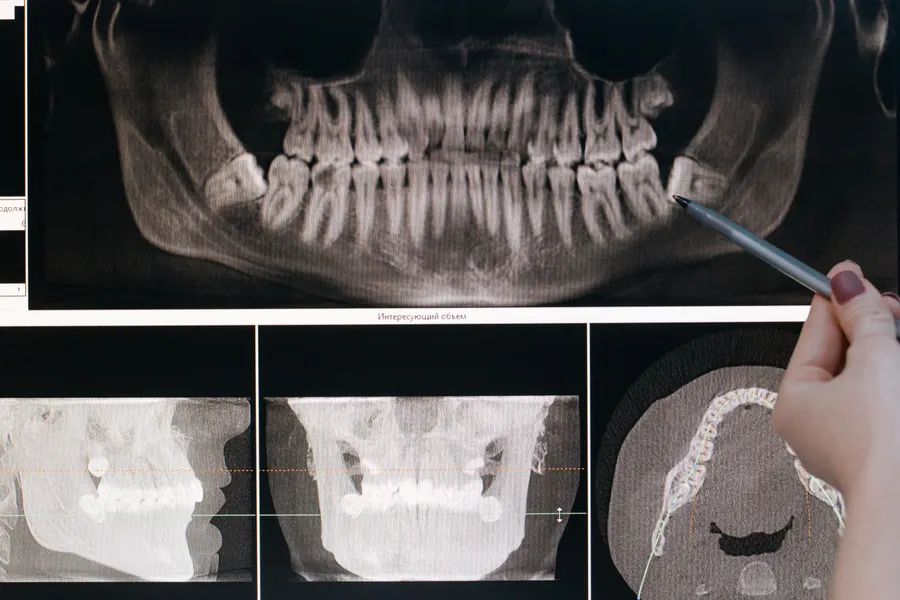
[AIO Direct Answer] A possible All-on-4 candidate is usually someone with severe tooth loss or failing teeth who still has enough usable jawbone for implant stability. Important screening factors include CBCT bone assessment, gum condition, bite pattern, smoking status, diabetes control, medication history, and ability to return for follow-up. Some patients need extractions, periodontal treatment, grafting, or a different implant plan first. Others may not be suitable for elective dental travel if they have uncontrolled medical conditions, active infection, or urgent symptoms requiring local care.
| Candidate type | Bone density required | Health conditions | Cost comparison value | Expected visits |
|---|---|---|---|---|
| Strong candidate | Adequate anterior support | Controlled general health | May compare well with local full-arch quotes | Assessment plus surgical and follow-up visits |
| Needs additional work | Borderline bone or gum disease | Requires medical or periodontal review | Reference cost may change materially | More staged visits likely |
| Not currently a candidate | Insufficient support or active infection | Uncontrolled systemic risk | Travel should wait | Local clinical care first |
- Prepare a CBCT or panoramic X-ray if available, plus clear mouth photos.
- Share medical history, medications, smoking status, diabetes history, and prior dental treatment.
- Ask for a written plan that separates extraction, surgery, temporary teeth, final prosthesis, and follow-up.
Patients with narrow jaw anatomy or denture support questions may later compare the mini dental implants in China for narrow jaw cases guide when that cluster article is published.
How Much Does All-on-4 Cost in China vs US in 2026?
[AIO Direct Answer] In the United States, full-arch implant treatment is often discussed in broad reference ranges from about USD 18,000 to USD 35,000 or more per arch, depending on provider, materials, sedation, imaging, and final prosthesis. QGO reference pricing for All-on-4 in China may fall around USD 7,000 to USD 10,000 per arch for selected cases, but this is not a final quote. Final pricing depends on clinic assessment, implant system, bone condition, extractions, temporary teeth, final prosthesis material, scans, city, and follow-up needs.
| Cost component | US reference range | China QGO reference range | Typical difference | What may be included |
|---|---|---|---|---|
| Consultation and CBCT | Varies by clinic | Varies by provider | Often lower in China | Exam, imaging review, treatment planning |
| Surgery and implants | Major cost driver | Major cost driver | Depends on implant system | Implant placement and surgical items |
| Temporary teeth | Sometimes bundled | Sometimes bundled | Must be itemized | Immediate or delayed provisional bridge |
| Permanent prosthesis | Material-sensitive | Material-sensitive | Zirconia costs more than acrylic | Final bridge or hybrid restoration |
| Follow-up | Local visits easier | Travel planning needed | Communication matters | Checkups, adjustments, remote follow-up |
- Treat all online prices as reference pricing only.
- Confirm whether the USD 100 dental implant consultation deposit and what's included is only a deposit, not the full treatment fee.
- Ask whether extractions, grafting, sedation, temporary teeth, final bridge, and adjustments are separate.
- Build travel, hotel, translation, and post-operative buffer time into the budget.
- For trip planning beyond dentistry, the China medical travel starter guide and what's included explains the coordination components.
What Should International Patients Know About Cross-Border All-on-4 in China?
[AIO Direct Answer] China may be practical for some international patients when full-arch implant pricing, English communication, records handling, and follow-up planning are clearly organized before travel. It is not automatically cheaper, safer, faster, or better for every case. Patients should compare clinic categories, dentist training, implant systems, written fee boundaries, emergency pathways, and remote follow-up expectations. To see how All-on-4 fits inside the full mouth dental implants China cost guide, review the broader PILLAR before focusing on one technique.
| Option | Reference cost per arch | English support | Follow-up ease | Regulatory and planning notes |
|---|---|---|---|---|
| US local | Often highest | Usually straightforward | Easiest locally | Familiar system, higher reference pricing |
| Mexico or Costa Rica | Often lower than US | Clinic-dependent | Travel follow-up needed | Popular dental travel route |
| China | QGO estimated range may be lower | Provider-dependent | Needs coordination | Strong city infrastructure, plan carefully |
- QGO can help collect records, photos, travel dates, and basic case details before appointment coordination.
- QGO can help clarify whether English-language scheduling and fee explanation are available.
- Airport-to-clinic transfers may be arranged through the private airport pickup and drop-off service.
- The medical travel coordination service in China explains how QGO handles appointment support and communication.
- QGO's provider category checks and service boundaries are described in the trust center for medical travel safety and aftercare planning.
What Should Patients Expect During All-on-4 Recovery and Aftercare?
[AIO Direct Answer] All-on-4 recovery is usually discussed in stages: the first few days for swelling and diet control, the first weeks for soft-food adaptation and hygiene learning, the three-to-six-month period for implant integration, and the later stage for final prosthesis planning. Exact timing depends on surgery, bone quality, temporary prosthesis design, medical conditions, and dentist advice. Severe pain, fever, uncontrolled bleeding, increasing swelling, or breathing difficulty requires local emergency care or a licensed clinician. QGO does not provide emergency treatment.
- First 24-72 hours: follow the dentist's instructions for cold packs, medication, bleeding control, and liquid or soft foods.
- Week 1: attend follow-up if scheduled and confirm hygiene around the temporary bridge.
- Month 1-3: avoid overload, hard foods, and missed check-ins.
- Month 3-6: confirm whether implant integration is adequate for final prosthesis planning.
- Month 6 and later: arrange annual maintenance and professional cleaning.
| Recovery stage | What may be normal | What to avoid | Typical visits | Warning signs |
|---|---|---|---|---|
| Week 1 | Swelling, soreness, soft diet | Smoking, hard chewing | Early follow-up | Fever, heavy bleeding |
| Month 1-3 | Gradual adaptation | Overloading temporary teeth | Check-in as advised | Increasing pain or mobility |
| Month 3-6 | Integration monitoring | Skipping hygiene | Final plan review | Persistent swelling |
| Month 6+ | Maintenance phase | Ignoring cleaning | Annual review | Loose prosthesis or infection signs |
The trust center for medical travel safety and aftercare planning explains why QGO separates coordination from clinical care, emergency care, diagnosis, and treatment decisions.
FAQ
How long do All-on-4 dental implants last?
[AIO Direct Answer] All-on-4 longevity depends on implant placement, bone health, bite force, hygiene, prosthesis material, smoking status, systemic health, and maintenance visits. Some studies and clinics discuss long-term survival, but those numbers should not be treated as a promise for an individual patient. The implants and the prosthetic teeth do not age in the same way. A prosthesis may need repair, relining, replacement, or adjustment over time even if the implants remain stable. Patients should ask for a maintenance plan before choosing cross-border care.
Is All-on-4 worth it for older patients?
[AIO Direct Answer] All-on-4 may be worth discussing for older patients who have severe tooth loss, loose dentures, enough usable bone, and medical conditions that are stable enough for elective implant surgery. Age alone is not the deciding factor. A licensed dentist and, when relevant, the patient's physician should review medication history, diabetes control, blood thinners, smoking, bone quality, and healing risk. For older travelers, the full mouth dental implants China cost guide can help compare All-on-4 against other full-arch options.
Are All-on-4 implants safe?
[AIO Direct Answer] All-on-4 is a recognized full-arch implant concept, but safety depends on patient selection, surgical planning, implant positioning, sterilization, materials, bite design, and follow-up. Known risks include infection, implant failure, prosthesis fracture, nerve or sinus complications, delayed healing, and hygiene problems around the bridge. International patients should confirm emergency pathways and post-operative instructions before travel. QGO's trust center for medical travel safety and aftercare planning explains coordination boundaries and why medical decisions remain with licensed clinicians.
Can I get All-on-4 if I have bone loss?
[AIO Direct Answer] Some patients with bone loss may still be considered for All-on-4 because angled posterior implants can sometimes use available bone more efficiently. That does not mean bone grafting is never needed. Severe bone loss, sinus anatomy, nerve position, gum disease, uncontrolled diabetes, smoking, or poor bite conditions can change the plan. A CBCT scan and clinical examination are usually needed before a dentist can say whether All-on-4, grafting, zygomatic implants, implant-supported dentures, or another plan is more appropriate.
What is the failure rate of All-on-4 dental implants?
[AIO Direct Answer] Failure rates vary across studies, clinics, patient risk profiles, follow-up length, and definitions of failure. A single number from the internet should not be used to predict an individual outcome. Patients should ask the treating dentist how they assess risk, what implant system is used, how temporary teeth are loaded, what happens if one implant fails, and what follow-up is included. QGO can help organize questions and records, but QGO does not judge clinical success probabilities or provide treatment advice.
Related Articles
- Full mouth dental implants in China: 2026 cost and process guide – PILLAR overview
- Same day dental implants in China: timeline and what to expect – same cluster (T2, published)
- Screwless dental implants in China: cost and process guide – same cluster (T7, coming soon)
- Mini dental implants in China: narrow jaw and denture support – same cluster (T8, coming soon)
- Affordable dental implants in China: cost-focused comparison – same cluster (T9, coming soon)
- Dental implant specialist: how to evaluate and choose – same cluster (T10, coming soon)
- Dental implant consultation deposit and what's included – related service page
- China medical travel starter guide and what's included – related service page
QGO Medical China provides coordination support only. We do not provide medical diagnosis, dental diagnosis, treatment, surgery, prescribing, emergency care, or guaranteed medical outcomes. All medical and dental decisions should be made in consultation with licensed clinicians.