
Mini Dental Implants in China: 2026 Cost, Candidacy, and How They Compare
Mini dental implants are narrower implants that may be considered for selected denture stabilization or limited-space cases, but they are not a universal substitute for standard dental implants. International visitors usually compare them because they want clearer cost planning and a realistic view of whether a China trip can cover evaluation, treatment planning, and follow-up communication. QGO Medical China provides coordination support only. We do not diagnose, perform dental treatment, or decide whether mini dental implants are appropriate.

What Are Mini Dental Implants and How Do They Differ?
Mini dental implants are smaller-diameter implants, commonly discussed for narrow ridges, denture stabilization, or cases where a dentist wants to evaluate a less extensive implant plan. Their reduced diameter means candidacy depends on bone shape, bite force, gum health, the planned prosthesis, and the dentist's assessment. They may reduce surgical complexity in selected cases, but they can be inappropriate when stronger load support or full-arch stability requires standard implants. For full arch context, compare this topic with the full mouth dental implants China cost guide.
| Comparison point | Mini dental implants | Standard dental implants | Planning note |
|---|---|---|---|
| Diameter | Narrower body | Wider body | Dentist evaluates available bone and load needs |
| Common discussion | Denture stabilization or limited space | Single tooth, bridge, or full arch support | Not interchangeable in every case |
| Bone planning | May be considered when ridge width is limited | May require grafting when bone is insufficient | CBCT or X-rays help clarify options |
| Prosthetic load | Case-specific | Often used for stronger load support | Bite force and restoration design matter |
| Travel planning | May fit shorter staged plans in selected cases | Often needs broader treatment staging | Follow-up plan should be clear before travel |
- Smaller diameter can be useful only when the case supports it.
- Denture stabilization is a common discussion point, not an automatic indication.
- Final suitability depends on licensed dental assessment, not travel preference.
- Visitors should bring prior X-rays, photos, denture history, medication history, and travel dates.
Mini vs Standard Dental Implants: When Does Each One Fit?
Mini dental implants may fit selected cases where the patient needs denture support, has limited ridge width, or wants to know whether a narrower implant system is clinically reasonable. Standard implants may fit better when the restoration needs stronger load distribution, larger prosthetic parts, or a broader full-mouth plan. The choice is a clinical design decision involving bone volume, gum condition, bite pattern, denture stability, and maintenance expectations. Patients comparing narrow options should also review the same day dental implants in China timeline and process because fast loading and mini implant planning are separate decisions.
| Scenario | Mini implant may be discussed | Standard implant may be discussed | Key decision factor |
|---|---|---|---|
| Loose lower denture | Often considered for stabilization | Also possible with broader design | Denture fit and jaw anatomy |
| Narrow ridge | May be considered if load is limited | May require grafting or staged work | Bone width and bite force |
| Single missing molar | Less common | Often more typical | Chewing load is higher |
| Full arch reconstruction | Limited role unless planned carefully | Often central to the plan | Prosthetic design and long-term support |
| Medical complexity | Requires careful review | Requires careful review | Physician and dentist input may be needed |
- Standard implants are not always better, but they often support broader restorative designs.
- The dentist should explain why a mini system is being considered.
- If the plan is mainly "faster" or "cheaper," ask for a clearer clinical rationale.
- International visitors should confirm whether adjustments can be handled after returning home.
Who Is a Good Candidate for Mini Dental Implants?
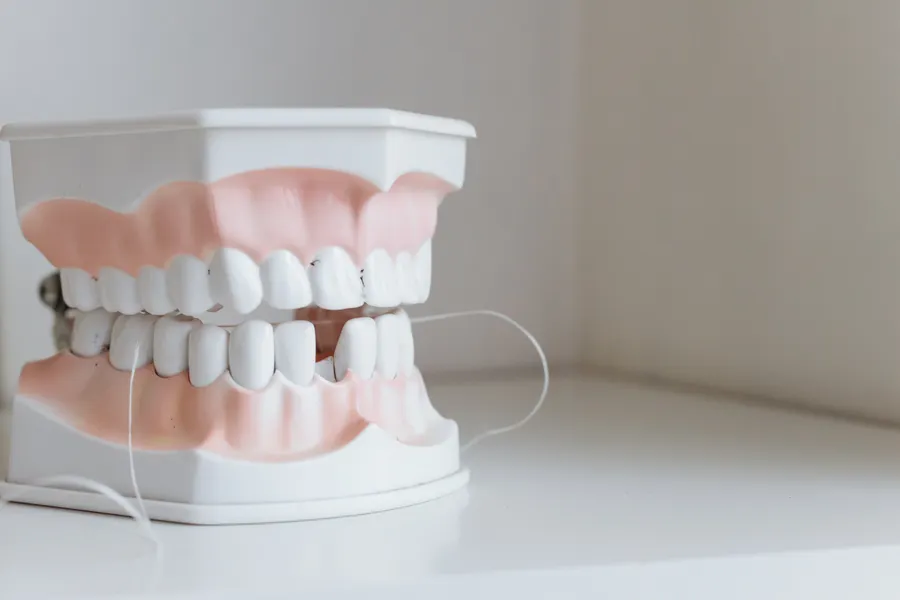
A possible candidate for mini dental implants is usually someone whose dental assessment shows a narrow ridge, denture instability, limited treatment scope, and a prosthetic plan that does not overload the smaller implant system. Age alone does not decide candidacy. A dentist may need CBCT imaging, bite evaluation, gum assessment, medical history, medication review, and hygiene discussion. For international visitors, the first step is collecting records so a licensed dentist can decide whether mini implants, standard implants, grafting, or no implant plan is more appropriate.
| Candidate factor | Why it matters | Records to prepare | Possible outcome |
|---|---|---|---|
| Ridge width | Narrow bone may affect implant choice | X-ray or CBCT if available | Mini or staged standard plan |
| Denture stability | Mini implants are often discussed for lower denture support | Photos and denture history | Stabilization plan or denture adjustment |
| Bite force | Heavy bite can overload small implants | Bite notes and prior dental reports | Standard implant may be preferred |
| Medical history | Healing and infection risk can vary | Medication list and chronic conditions | Dentist may request physician clearance |
| Follow-up access | Adjustments may be needed after travel | Home dentist contact if available | Travel plan may need staging |
- Bring clear photos of the smile, bite, denture fit, and gum areas.
- List blood thinners, osteoporosis medication, diabetes history, smoking status, and allergies.
- Explain whether the goal is denture stabilization, a missing tooth, or a wider reconstruction.
- Urgent pain, swelling, fever, trauma, or uncontrolled bleeding requires local emergency care, not travel coordination.
How Much Do Mini Dental Implants Cost in China vs US in 2026?
Mini dental implants in China may be quoted as lower reference prices than many US, Canada, UK, or Australia private clinic estimates, but final cost depends on clinic assessment, implant system, number of implants, denture modification, scans, temporary parts, follow-up needs, and city. A lower implant unit price does not automatically mean a lower total case cost. For QGO planning, every number is a reference price or estimated range only. Patients who want a structured first step can review the dental implant consultation deposit and what's included; the $100 deposit is not the full treatment fee.
| Item | China QGO reference range | US or similar private-market range | What can change the total |
|---|---|---|---|
| Mini implant unit | Starting reference may be lower than standard implants | Often higher in private clinics | Brand, system, city, and complexity |
| Denture stabilization | Estimated range depends on number of implants | Often quoted as a broader package | Denture remake or modification |
| Imaging | May be separate or included in assessment | Often separate | X-ray, CBCT, digital scan |
| Prosthetic parts | Case-specific | Case-specific | Attachments, abutments, housings |
| Follow-up | Must be planned before travel | Usually easier locally | Adjustment and maintenance pathway |
- Ask whether the quote includes imaging, implant placement, attachments, denture work, and follow-up.
- Confirm whether a temporary denture or old denture modification is included.
- Use the China medical travel starter guide and what's included if you need document preparation, appointment planning, and travel coordination support.
- Do not compare only one implant unit price; compare the full treatment pathway.

When Does Cross-Border Mini Dental Implant Care in China Make Sense?
Cross-border mini dental implant care in China may make sense when the patient has time for records review, an itemized quote, a realistic travel window, English-language coordination, and follow-up planning. It makes less sense when the patient has urgent symptoms, expects a guaranteed same-trip result, cannot share records, or has no way to manage adjustments later. QGO can help with appointment coordination, document handling, and provider category evaluation, but QGO is not a clinic and does not provide diagnosis or treatment. Our trust center for medical travel safety and aftercare planning explains service boundaries and coordination checks.
| Planning question | Why it matters | What to confirm before booking | QGO coordination role |
|---|---|---|---|
| Is the case urgent? | Travel is not emergency care | Pain, swelling, fever, or trauma require local care | Redirect to appropriate urgency pathway |
| Are records ready? | Dentist needs evidence before discussing options | Photos, X-rays, denture history, medication list | Organize documents for review |
| Is the quote itemized? | Mini implant totals vary by components | Imaging, attachments, denture work, follow-up | Clarify fee categories |
| Is travel time enough? | Adjustments may be needed | Arrival date, appointment windows, departure date | Support scheduling communication |
| Is aftercare realistic? | Home follow-up may be necessary | Local dentist availability if possible | Help plan communication handoff |
- Use the medical travel coordination service in China when multiple appointments, documents, and follow-up messages need coordination.
- Use the private airport pickup and drop-off service only as travel support; it is not medical care.
- Keep copies of scans, implant system details, attachment specifications, and final invoices.
- Build a buffer day if the dentist may need denture adjustment or extra imaging.
What Should Patients Expect During Mini Implant Recovery and Long-Term Maintenance?
Recovery after mini dental implants varies by patient and procedure, but most visitors should expect written instructions, soft-food guidance, hygiene steps, follow-up checks, and warning signs. Some patients may have temporary soreness, gum irritation, denture adjustment needs, or changes in how the prosthesis feels. Long-term maintenance matters because denture attachments can wear and bite forces can change. The plan should include who to contact in China, what records to take home, and what a local dentist may need later.
| Maintenance area | What to monitor | What to request before leaving China | Why it matters |
|---|---|---|---|
| Gum tissue | Redness, swelling, soreness | Written care instructions | Early issues need timely review |
| Denture fit | Looseness or pressure spots | Adjustment notes | Poor fit can stress implants |
| Attachments | Wear or retention changes | Brand and component details | Future replacement may require matching parts |
| Hygiene | Plaque around implant sites | Cleaning tools and instructions | Maintenance affects long-term stability |
| Records | Missing system details | Implant passport or system summary | Home dentist needs usable documentation |
- Ask for implant system name, size, and attachment specifications.
- Do not assume fewer implants means fewer follow-up responsibilities.
- Keep all reports, X-rays, invoices, and instructions in one folder.
- For broader full-arch planning, the full mouth dental implants China planning guide explains how mini, standard, same-day, and full-arch options fit into a larger decision.
FAQ
How long do mini dental implants last?
Mini dental implant longevity depends on case selection, bite force, hygiene, prosthetic design, implant system, health conditions, smoking status, and follow-up care. Some patients may use mini implants for years when the plan and maintenance are appropriate, but no travel coordinator or clinic should promise a fixed lifespan. Visitors should ask for implant system details, cleaning instructions, and attachment maintenance notes before returning home. The trust center for medical travel safety and aftercare planning explains QGO service boundaries and follow-up coordination checks.
Are mini implants as good as regular implants?
Mini implants are not simply better or worse than regular implants; they are different tools for different cases. A mini system may be considered for narrow ridges or denture stabilization, while a standard implant may be preferred for heavier chewing load, broader restoration support, or full-arch reconstruction. The right comparison is whether the implant diameter, prosthetic design, bone condition, and maintenance plan fit the patient's case. A licensed dentist should explain the rationale.
Can mini implants be used for upper denture stabilization?
Mini implants may be discussed for upper denture stabilization in selected cases, but upper jaw bone quality, sinus anatomy, prosthetic design, and bite force can make planning more complex than lower denture support. A dentist may require CBCT imaging and may recommend standard implants, grafting, or a different denture plan. Visitors should not assume that a procedure advertised for one jaw is suitable for the other. A quote should state implant count, attachment system, and expected follow-up.
Why are mini implants cheaper than standard implants?
Mini implants may have lower reference pricing because the implant body is smaller, the surgical plan may be less extensive in selected cases, and some plans focus on stabilizing an existing or modified denture. However, total cost can still rise if imaging, extractions, denture remake, attachment parts, gum treatment, or staged follow-up are needed. A low starting reference price should not be treated as a final treatment quote. Patients comparing China with local clinics should ask for an itemized estimate and confirm what is excluded.
What is the failure rate of mini dental implants?
Failure rate cannot be responsibly stated for a specific patient without clinical assessment and a source-specific dataset. Published outcomes vary by case selection, jaw location, implant system, loading protocol, bone quality, medical risk factors, hygiene, and follow-up. Patients should ask about known risks such as infection, mobility, gum inflammation, prosthetic overload, denture pressure spots, and possible revision. A broader full mouth dental implants China comparison can help patients compare implant pathways.
Related Articles
- Full mouth dental implants in China: 2026 cost and process guide – PILLAR overview
- Same day dental implants in China: timeline and what to expect – same cluster, published
- All-on-4 dental implants in China: cost and process guide – same cluster, published
- Screwless dental implants in China: design options and cost guide – same cluster, published
- Affordable dental implants in China: cost-focused comparison – same cluster, coming soon
- Dental implant specialist: how to evaluate and choose – same cluster, coming soon
- Dental implant consultation deposit and what's included – related service page
- China medical travel starter guide and what's included – related service page
QGO Medical China provides coordination support only. We do not provide medical diagnosis, dental treatment, emergency care, or guaranteed medical outcomes. All dental decisions should be made in consultation with a licensed dentist or physician where appropriate.