

How to Use a Chinese Hospital as a Foreign Visitor (2026 Guide)
Practical guide for foreign visitors using Chinese hospitals, covering hospital types, registration and ID, appointment booking, payment methods, language support, and when to use the emergency department. Coordination by QGO Medical.
QGO Medical China provides coordination support only. We do not provide medical diagnosis, treatment, emergency care, immigration advice, or promised outcomes. All medical decisions should be made in consultation with licensed professionals.
Chinese Hospital Basics: Public Tertiary, Private and International Wings
Understanding how to use a Chinese hospital as a foreign visitor starts with knowing which building you are walking into, because the three common types behave very differently for someone who does not read Chinese.
Public tertiary hospitals (三甲医院) are the deep clinical resource: the specialists, the complex panels and the emergency departments. They are also the busiest, and the main outpatient halls run largely in Chinese. Many of the largest ones operate a separate international department or VIP outpatient wing — usually a physically distinct registration desk, sometimes in a separate building — where English is more likely to be available and where foreign payment methods may be accepted.
Private hospitals, including the JCI-accredited international hospitals, tend to be smaller, faster and structured around exactly the workflow a foreign visitor expects: appointment-based, English-speaking, transparent on price. What you give up is depth of specialist bench compared with a large academic centre.
International departments are the pragmatic middle path for most non-emergency visits: academic-hospital depth, with a registration process designed for foreign patients. The trade-off is that they are popular and book out. This page is navigation guidance only; QGO provides coordination support and does not diagnose, treat, provide emergency care, or promise that any hospital will accept a given visitor.
Registration and ID: Passport, Visa and the International Desk
Registration is where most first-time friction occurs, and almost all of it is administrative rather than clinical.
Bring your passport — the physical document, not a photograph of it. Hospitals register foreign patients against the passport number, and the name on your hospital record should match the name in your passport exactly. Bring your visa page as well, particularly if you are on a short stay or a transit permission, because some hospital finance desks ask for the legal basis of your stay. Bring the passport of any accompanying person if they will also be registered.
If you have an existing Chinese health record, bring it. A local health card (医保卡) is issued to residents participating in the local insurance scheme; a short-term visitor will usually not have one and does not need one for a self-pay visit. Instead, expect to register as a self-pay patient (自费) and to settle at the finance desk.
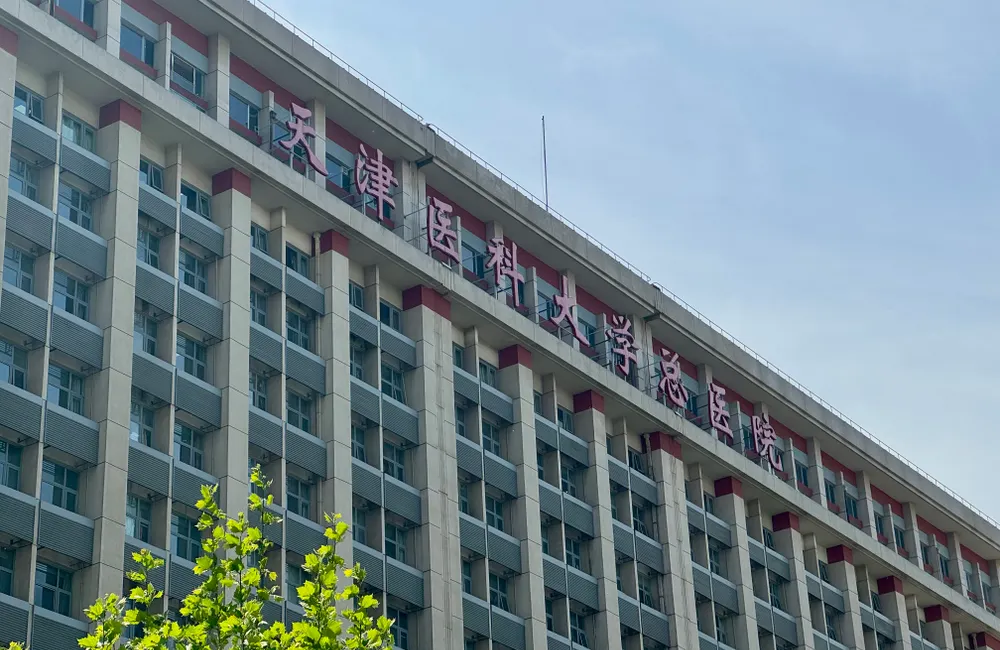
Ask for three things in writing at registration: the department you are being seen in, the estimated total cost for the planned items, and the expected report date. Ask in English if you can, and confirm that you understood the answer rather than assuming it. The campus signage you will navigate on the way there is often bilingual, as on tertiary hospital buildings in Tianjin, but clinical signage inside a department may not be.
Booking an Appointment: App, Phone, Walk-in or Through QGO
There are four practical routes to an appointment, and they differ a great deal in reliability.
Hospital app or mini-program booking is the domestic route. It is fast, often shows real availability, and is frequently the most direct way to reach a specific department in a major city — but it assumes a Chinese-language interface and a Chinese phone number, and it is not designed for a foreign passport.
Phone booking through the international department is the most reliable English route at larger hospitals. Call in international hours, state the department and the date window you need, and ask what documents they need in advance.
Walk-in registration works for general outpatient departments, particularly at public hospitals, and it is the standard fallback when a foreign visitor needs to be seen without a prior appointment. It also carries the highest language and queue risk.
Booking through QGO is a coordination route for non-emergency visits: QGO can schedule with the international department, prepare your documents, and arrange interpretation support for the scheduled visit. QGO is not a booking agent for emergencies, cannot reserve emergency capacity, and cannot promise that any hospital will accept your booking.
Paying as a Foreign Visitor: Cash, Card, Mobile Pay and Direct Billing
Payment is the point at which a routine visit most often breaks down, because methods that work everywhere at home are not uniformly accepted in Chinese hospitals.
Cash (人民币现金) remains accepted for outpatient registration and many smaller payments, and ATMs dispensing renminbi are common. Bring enough for incidental costs rather than relying on it for the full fee.
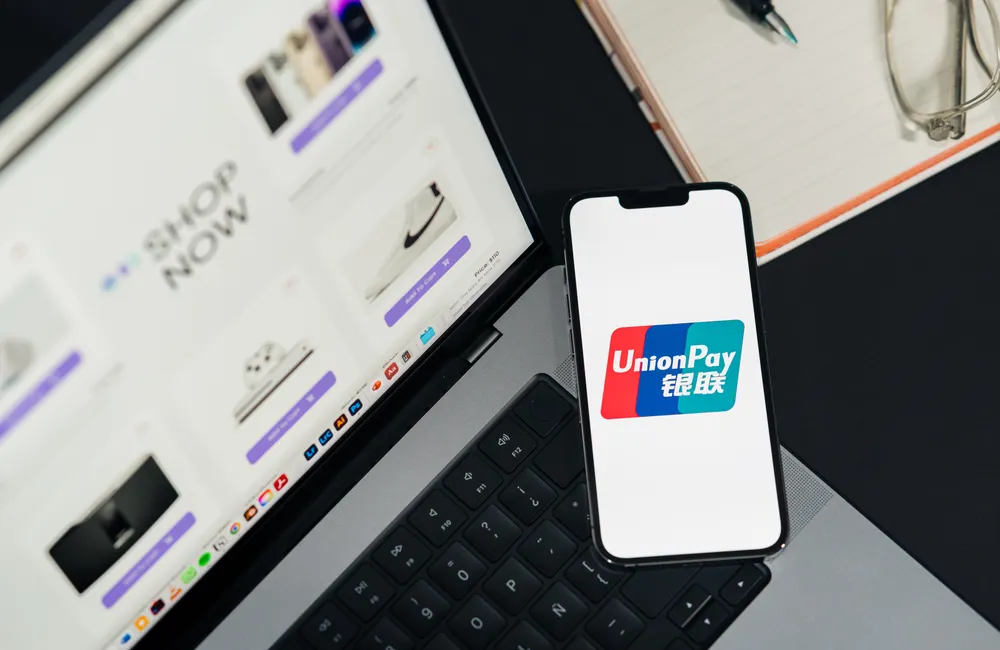
International bank cards are accepted at larger private hospitals, international departments and the finance desks of major public tertiary hospitals, but acceptance is not universal at smaller facilities and may require a PIN. Mobile payment via WeChat Pay and Alipay is deeply embedded in the domestic system; however, binding an international card to a Chinese mobile wallet is not straightforward, and a visitor without a Chinese bank account may find it unusable for a large hospital settlement.
Direct billing with an international insurer is available at a subset of hospitals, and it is the arrangement most foreign visitors assume they have when they do not. Whether direct billing applies depends on the hospital, the department and your insurer’s agreement — not on your insurance policy alone. Confirm it in writing with both the insurer and the hospital before travel. The mechanics are covered in International Insurance and Direct Billing in China.
Regardless of method, ask for a stamped official invoice (发票) listing individual line items. It is what an insurer will ask for, and it is the only reliable way to compare a quote with what you were actually charged.
When to Use the Emergency Department, an Outpatient Clinic, a Pharmacy or QGO
These four routes are not interchangeable, and choosing the wrong one wastes hours. 120 is the medical emergency number in mainland China. 911 is the equivalent in the United States and 999 in the United Kingdom; those numbers do not work in China. If you are in doubt about whether a situation is an emergency, call 120 or go to the nearest emergency department.
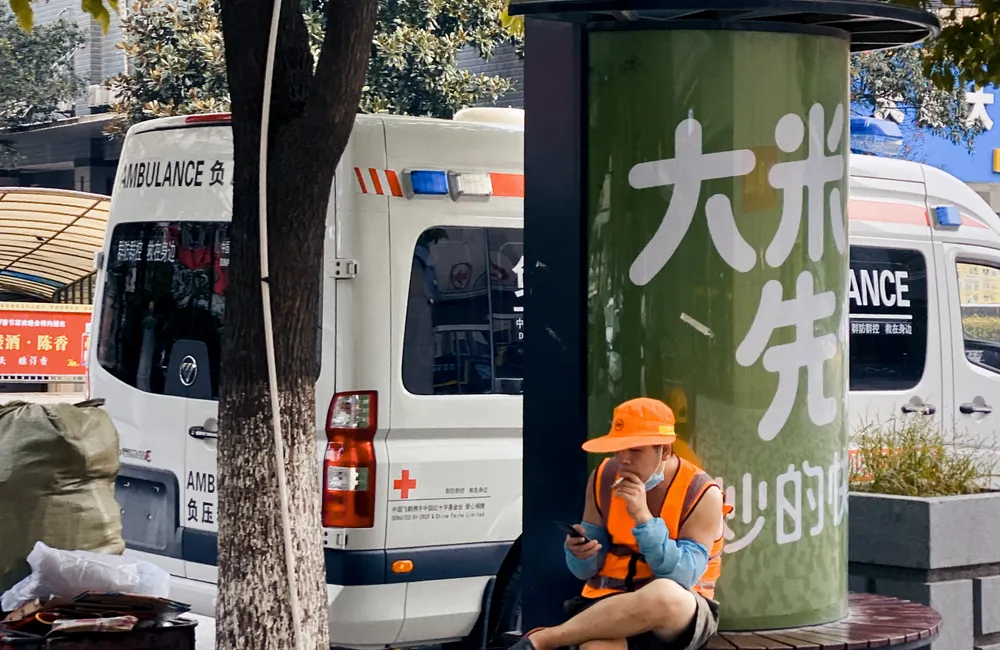
Emergency department (急诊科). Use it for chest pain, difficulty breathing, stroke symptoms, severe allergic reaction, major trauma, heavy bleeding, loss of consciousness, or any rapid deterioration. Ambulance response and hospital treatment in the emergency pathway operate under different rules from outpatient care; nobody is refused emergency care, but the payment and documentation steps afterwards are separate.
Outpatient clinic (门诊). Use it for symptoms that are uncomfortable and persistent but not acute: a fever lasting several days, a persistent rash, a sprained joint, ongoing abdominal discomfort, a medication question, a follow-up on a known condition, or a check-up you booked in advance.
Pharmacy (药店 / 药房). Use it for over-the-counter items, refills of medication you already carry a prescription or documented history for, and simple first aid supplies. Chinese pharmacies commonly dispense traditional Chinese medicine alongside conventional products; if you are taking regular medication, ask a licensed physician or pharmacist about interaction risk rather than self-combining.
QGO. QGO coordinates non-emergency navigation only: appointment scheduling, document preparation, interpretation arrangements for scheduled visits, report organisation and itinerary re-sequencing. QGO does not provide emergency care, does not diagnose, does not treat, cannot authorise treatment, and cannot reserve or promise emergency capacity. In an emergency, contact 120 or go to the nearest emergency department first, and reach QGO afterwards if you need help organising the paperwork.
What to Send QGO If You Need Help With a Hospital Visit
Send six items and QGO can usually build a workable plan around them: your passport name exactly as printed, your dates and city, the department or hospital you already have in mind, your prior reports, imaging or medication list, the language support you need, and your budget range for hospital fees kept separate from coordination fees.
Two boundaries are worth stating plainly. First, hospital fees and QGO coordination fees are separate; QGO does not bundle a hospital quotation into a coordination quote and does not settle hospital bills on your behalf. Second, the $299 Premium Health Check-up Package is required before any health check-up add-on can be confirmed, and the dental consultation deposit of $100 is a consultation deposit only — it is not the full treatment fee, and the treatment cost is finalised after clinical examination.
If your hospital visit is part of a planned trip, the Medical Travel to China Pre-flight Checklist covers what to prepare before departure, and China Health Checkup for Foreigners: How to Plan Your Visit covers the city, date, report language and add-on decisions that shape the hospital booking.
Before any medical decision is made, consult your local physician. QGO coordination is administrative support around a clinical process that only licensed professionals should direct.
Frequently Asked Questions
Do I need a Chinese health card to be treated as a foreign visitor?
Generally not. The local health card is issued to residents in the local insurance scheme. A short-term visitor is usually registered as a self-pay patient and settles at the finance desk. Bring your passport and visa page, and register at the international department if the hospital has one.
Can I pay with my international bank card?
Usually yes at larger private hospitals, international departments and the finance desks of major public tertiary hospitals, but not universally at smaller facilities, and you may need a PIN. Mobile payment options common in China can be difficult for a visitor without a Chinese bank account. Ask for a stamped official invoice with itemised line items.
Does my international insurance work automatically in a Chinese hospital?
Not automatically. Direct billing depends on an agreement between your insurer and the specific hospital and department. Confirm in writing with both parties before you travel, otherwise you should expect to pay at the hospital and claim reimbursement afterwards.
What is the difference between 120 and the emergency department?
120 is the medical emergency telephone number in mainland China and dispatches an ambulance. The emergency department is the hospital department you can also reach directly. Both are for genuine emergencies such as chest pain, breathing difficulty, stroke symptoms or major trauma. 911 (United States) and 999 (United Kingdom) do not work in China.
Can QGO book me an emergency appointment or promise admission?
No. QGO coordinates non-emergency navigation — scheduling, documentation, interpretation arrangements and report handling. QGO does not provide emergency care, cannot reserve emergency capacity, and cannot promise that a hospital will accept a given visitor.
How to Work With QGO on This Topic
If you want QGO coordination support, prepare your passport name, travel dates, prior reports, medication history, and the exact questions your home physician wants answered. QGO can organise non-emergency communication and appointment logistics. Clinical decisions, hospital acceptance and travel eligibility remain outside QGO control, and in any emergency dial 120 in China, 911 in the United States, or 999 in the United Kingdom.
References
Sources below are official government, accreditation body, and national hospital references for a YMYL medical-coordination topic. Last reviewed: 2026-10-26.
- National Health Commission of the PRC (国家卫生健康委员会)
- Joint Commission International (JCI accreditation standards)
- World Health Organization
- WHO International Travel and Health
- Peking Union Medical College Hospital (北京协和医院)
- Shanghai Huashan Hospital (上海华山医院)
- Peking University International Hospital (北京大学国际医院)
- West China Hospital, Sichuan University (华西医院)
- China Center for Disease Control and Prevention
- Chinese Hospital Association
- The State Council of the PRC (English portal)
- Ministry of Foreign Affairs of the PRC
- Image credit — stock photograph from Pexels (photo ID 8313175), used under the Pexels License. Licensed stock image from Pexels.
- Image credit — stock photograph from Pexels (photo ID 37186801), used under the Pexels License. Licensed stock image from Pexels.
- Image credit — stock photograph from Pexels (photo ID 29502363), used under the Pexels License. Licensed stock image from Pexels.
- Image credit — stock photograph from Pexels (photo ID 5346065), used under the Pexels License. Licensed stock image from Pexels.
Image credits