
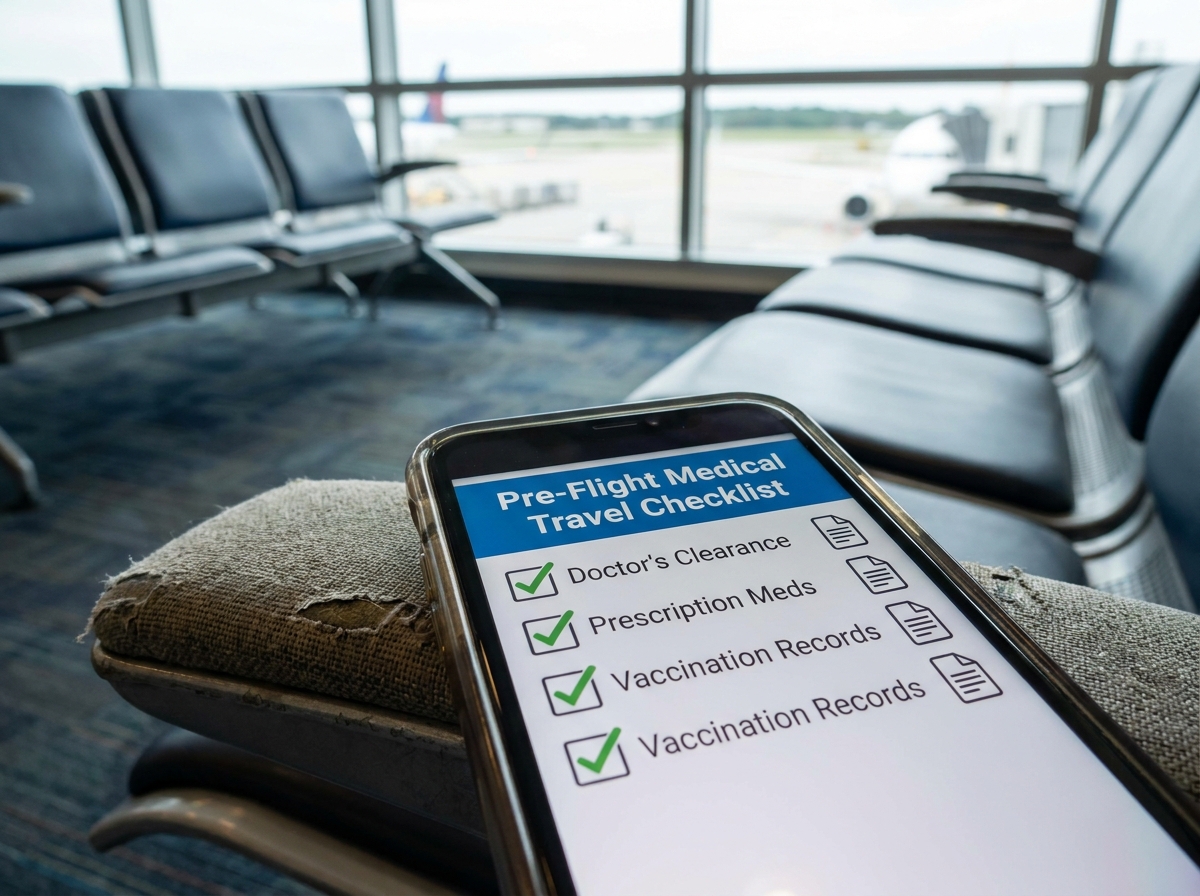
Medical Travel to China Readiness Checklist
Medical travel readiness China means confirming the non-clinical pieces before you buy a flight: appointment, payment, insurance, visa route, documents, companion roles, and report handoff.
This checklist is for non-emergency visitors planning health check-ups, dental care, or scheduled consultations. It is not emergency advice, immigration advice, insurance advice, or medical diagnosis.
Related QGO Planning Guides
Trust Center · China health check-up cost · Hospital payment guide · Insurance direct billing guide · Guangzhou health check-up guide · 240-hour transit health check-up guide
Medical Travel vs Medical Tourism: What Is Different in 2026
Medical travel is the practical act of crossing a border for a scheduled health service. Medical tourism is the broader market label. In 2026, the serious opportunity is not a slogan about wellness; it is infrastructure: airline routes, hospital international desks, payment preparation, insurance documentation, translation, and report handoff.

Medical wellness longevity travel language can be tempting, but a safe plan starts with evidence and boundaries. Confirm what the hospital can provide, what your home physician needs, and what your insurer or visa route allows.
Pre-Flight Checklist: 7 Things to Confirm Before Booking Flights
First, confirm hospital appointment date, project, department, and physician or package desk. An admission notice, inquiry reply, or marketing brochure is not the same as a confirmed surgery or check-up date.
Second, confirm estimate, deposit, payment method, refund pathway, and backup card. Third, confirm insurance or direct billing from both the hospital and insurer. Fourth, confirm visa type, whether that means a treatment route, tourist route, or 240-hour transit eligibility.
Fifth, confirm report delivery timing and translation. Sixth, notify your home physician and emergency contact. Seventh, define companion, translator, and care roles so everyone knows who speaks, who pays, who signs, and who handles records.
| Checklist item | Why it matters | Proof to keep |
|---|---|---|
| Appointment | Avoid flight before real confirmation. | Written hospital confirmation. |
| Payment | Deposits and top-ups can surprise visitors. | Estimate and accepted methods. |
| Insurance | Direct billing is not automatic. | Pre-approval email. |
| Visa route | Eligibility controls stay length. | Official source or embassy reply. |
| Reports | Travel plans must fit result timing. | Report delivery promise or range. |
| Emergency contact | Someone must be reachable. | Contact list and medication details. |
| Companion role | Avoid consent and translation confusion. | Written role agreement. |
Download the readiness checklist by messaging QGO.
Documents to Bring: Medical Records, Prescriptions, Allergy List
Bring passport, appointment confirmation, prior reports, imaging files, medication list with generic names, allergy list, implant or device cards, vaccination history when relevant, and your home physician’s questions. For dental or surgical work, bring X-rays, CT files, and procedure history.
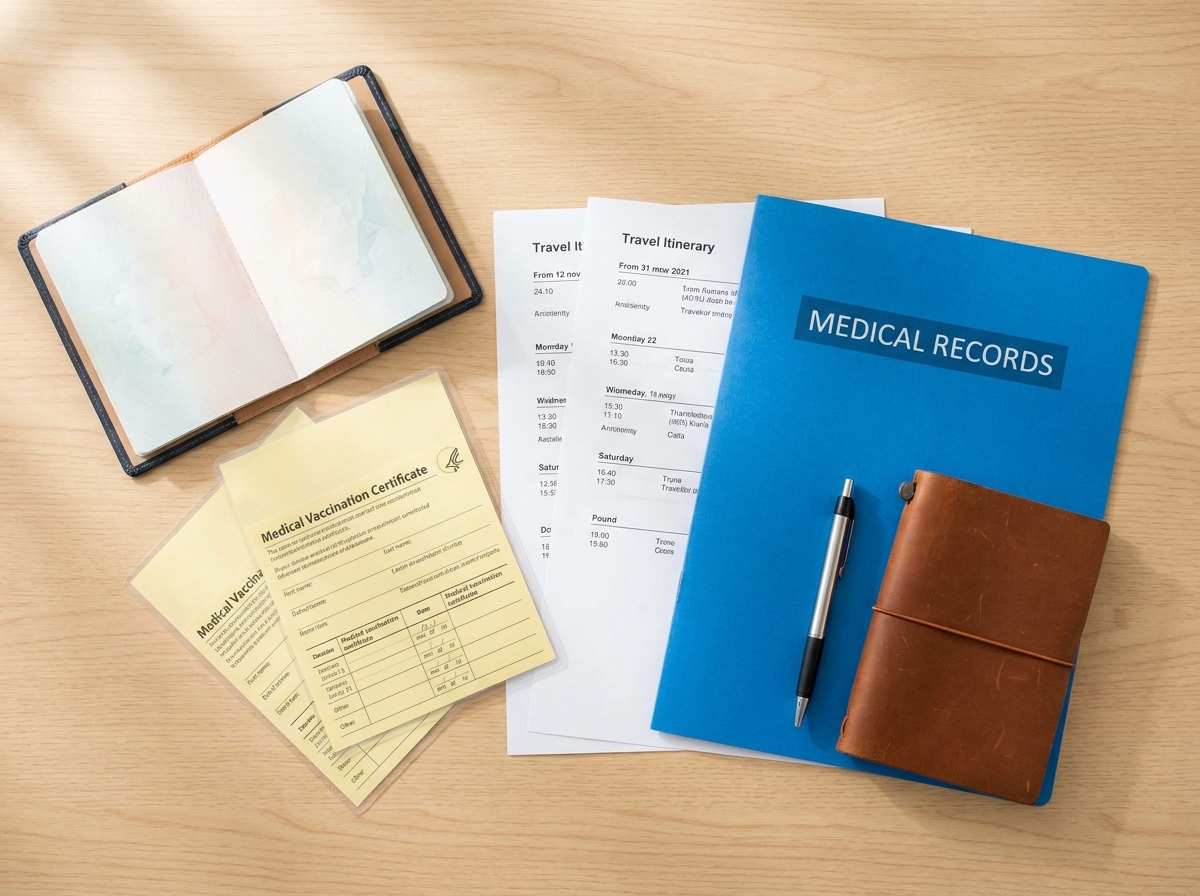
Medical records should be organized before travel. Put the newest summary first, then lab trends, imaging reports, prescriptions, and discharge summaries. If documents are not in English or Chinese, arrange translation before the hospital visit.
Payment Readiness: Estimate, Insurance, Backup Plans
Payment readiness means knowing whether you will pay package prepayment, hospital deposit, bank transfer, card payment, mobile payment, or pay-and-claim insurance. Do not rely on one card. International card terminals can fail, and daily limits can block large transactions.
If you expect insurance support, read the direct billing guide before departure. If you expect self-pay, read the hospital payment guide. Keep invoice and itemized bill requirements in your checklist so you do not leave China without claim documents.
Need help with payment readiness? Email QGO.
Companion and Translator: Roles and Boundaries
A companion can help with transport, emotional support, reminders, meals, and hotel logistics. A translator can help with registration, cashier instructions, and non-emergency communication. Neither should replace the patient’s consent or the physician’s clinical explanation.
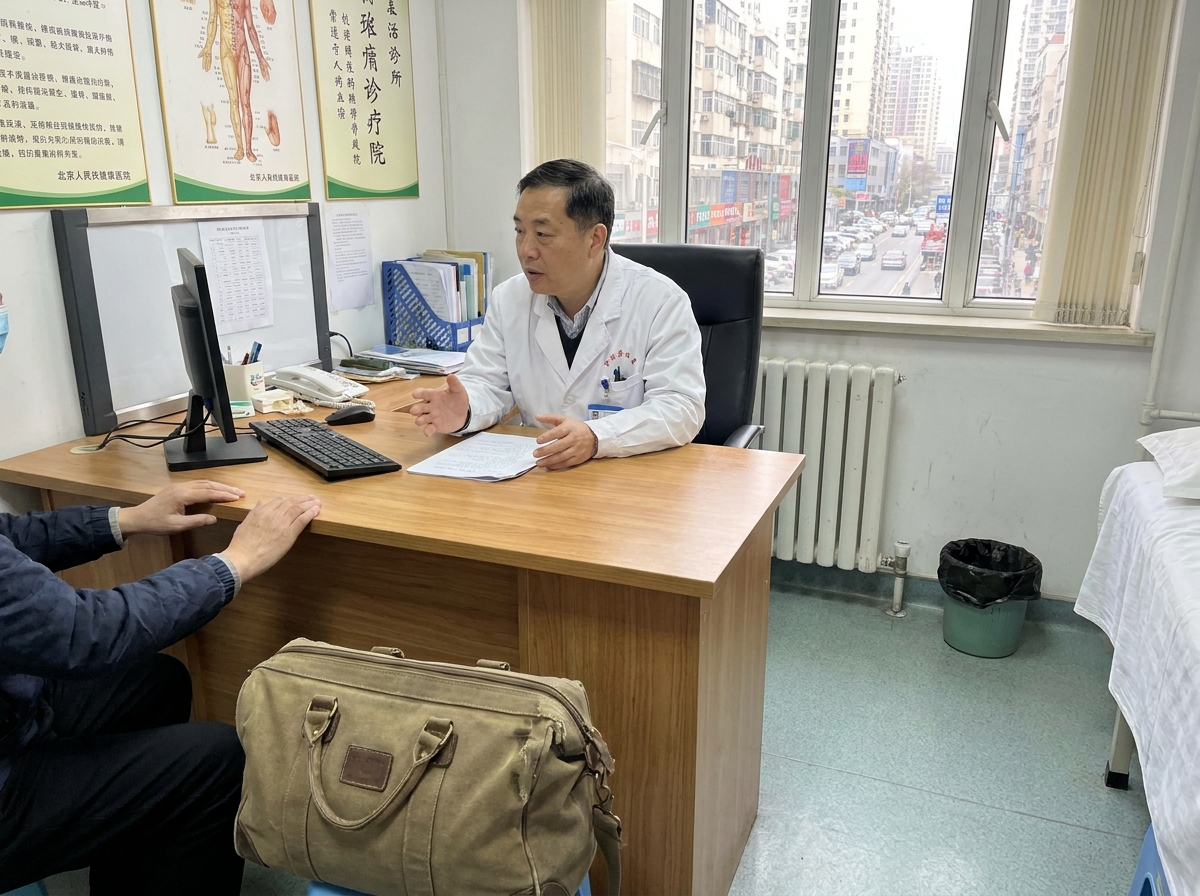
Decide in advance who receives reports, who can speak to the hospital, who pays deposits, and who calls the home-country doctor. If the patient is elderly, anxious, or taking complex medication, the companion role becomes more important.
What to Do Upon Arrival: Airport to Hospital
Do not schedule a fasting check-up immediately after a long-haul red-eye flight unless the hospital confirms it is appropriate. Jet lag, dehydration, missed medication, and delayed baggage can make the first appointment harder.
Plan airport pickup, hotel location, breakfast after fasting blood draw, SIM or roaming, translation availability, and a rest window. Keep passport, appointment confirmation, medication, and payment method in hand luggage, not checked baggage.
Common Failure Points and How to Avoid Them
The most common failure point is booking flights before the hospital has confirmed the exact appointment. The second is assuming insurance will work without pre-approval. The third is arriving without the records the doctor needs.
The fourth is over-scheduling tourism immediately after a procedure or check-up. The fifth is not leaving time for report delivery. Build your trip around medical timing first, then add tourism only where it fits safely.
Additional Practical Planning Details
For Medical Travel to China Readiness Checklist, ask the provider to restate the scope in writing before you commit travel money. The written note should identify what is included, what is excluded, which language the report uses, who reviews the file, how payment is handled, and what happens if a finding or administrative issue changes the original plan.
Keep a clean folder of messages, estimates, receipts, reports, translations, passport identity pages, insurance replies, and hospital contact names. Foreign visitors often lose time because the right file exists but is buried in a messaging app, a travel companion's phone, or an email account that cannot be opened at the hospital counter.
Share meaningful findings with your local physician after the trip. Screening, payment, insurance, and travel coordination are only useful when the information can be understood at home. QGO can help organize non-emergency record handoff, but clinical interpretation and ongoing care belong with licensed professionals who know your full history.
If timing is tight, build a conservative itinerary. Leave room for fasting instructions, cashier queues, translation, delayed imaging review, insurer replies, traffic, flight changes, and report delivery. A plan that works only when every step is perfect is fragile for cross-border medical travel.
Use QGO's role carefully: coordination, translation support, appointment questions, logistics, and document organization. QGO does not replace a hospital, physician, insurer, visa authority, payment provider, or emergency service. That boundary is part of the safety design for every QGO Medical China planning guide.
FAQ
What should I confirm before booking flights to China for medical treatment?
Confirm the appointment, service scope, estimate, deposit, payment method, insurance or direct billing, visa route, report timing, emergency contact, and companion or translator role.
Can I travel to China on a tourist visa for medical treatment?
Visa eligibility depends on nationality, purpose, route, and current policy. Confirm with official immigration or consular sources. QGO does not provide immigration advice.
Do I need a companion for medical travel to China?
Not always, but a companion is helpful for older travelers, surgery, sedation, mobility limits, complex medication, or anxiety. Define the companion’s role before travel.
What medical documents should I bring?
Bring prior reports, imaging files, prescriptions, medication list, allergy list, diagnosis history, procedure notes, implant cards, and your home physician’s questions.
How does QGO help before my flight?
QGO can help organize non-emergency appointment questions, documents, translation needs, payment readiness, airport-to-hospital logistics, and report handoff. QGO does not diagnose, treat, insure, or issue visas.
What happens if my flight is delayed and I miss the appointment?
Hospital policy varies. Contact the hospital or coordinator as soon as possible. You may need to reschedule, repeat fasting preparation, or adjust payment and hotel plans.
Final Planning Note
For QGO support, send your city, travel dates, passport name, preferred hospital or package, prior reports, medication list, allergies, payment constraints, insurance questions, and the exact questions your local physician wants answered. QGO can help organize non-emergency communication and logistics, but hospitals provide medical services and licensed clinicians make clinical decisions.
References
Sources below are used for policy, hospital-system, accreditation, payment, insurance, travel, and screening context. QGO does not use these references to make an individual medical recommendation.
- National Immigration Administration of China
- Ministry of Foreign Affairs of China
- National Health Commission of the PRC
- State Council of China
- Joint Commission International
- World Health Organization – Travel and health
- Beijing Municipal Health Commission
- Shanghai Municipal Health Commission
- Health Commission of Guangdong Province
- National Healthcare Security Administration
- Image credit — licensed stock image used under the Pexels License (file readiness-inline-1-checklist.jpg).
- Image credit — licensed stock image used under the Pexels License (file readiness-inline-2-hotel.jpg).
- Image credit — licensed stock image used under the Pexels License (file readiness-inline-3-docs.jpg).
- Image credit — licensed stock image used under the Pexels License (file readiness-inline-4-arrival.jpg).
Image credits