
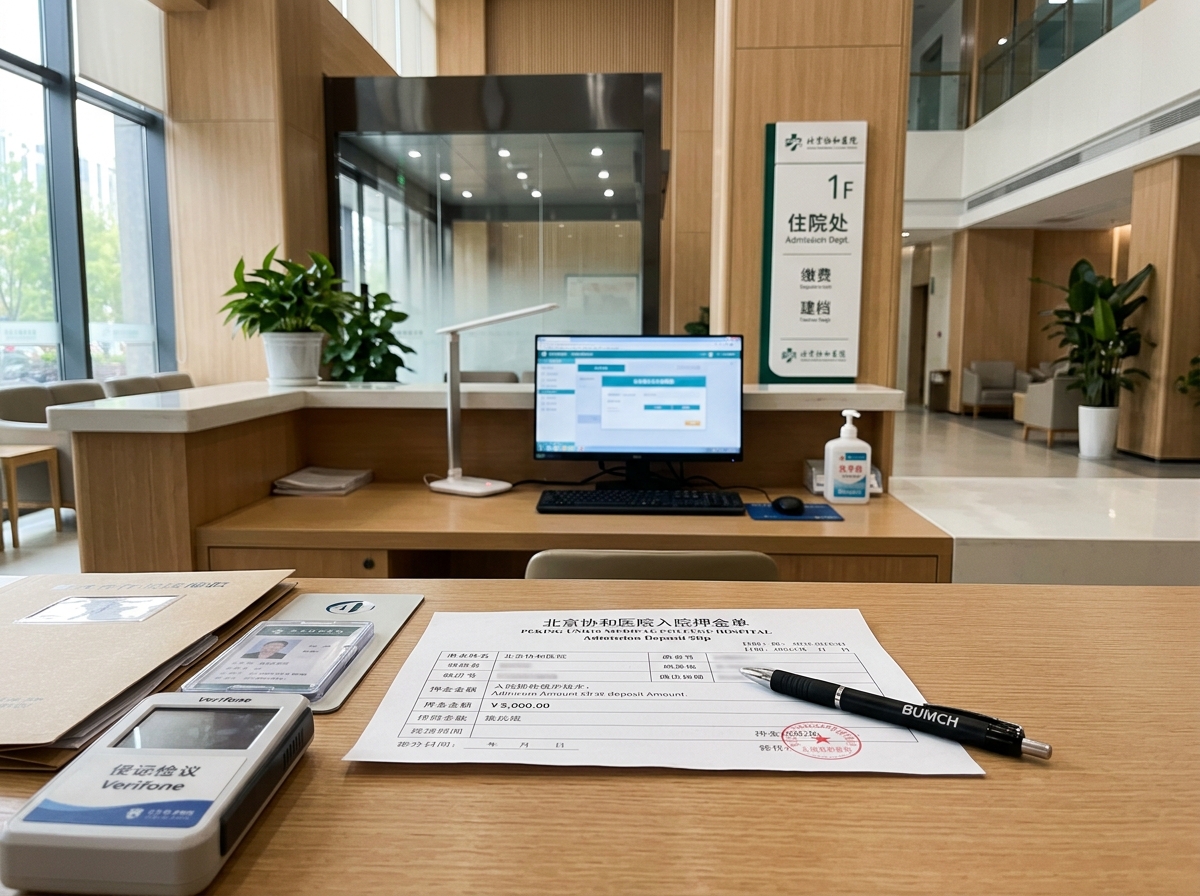
How Foreigners Pay a Chinese Hospital
Foreign patients usually pay a Chinese hospital through a step-by-step flow: estimate, deposit, top-up if the plan changes, final settlement, and refund when the prepaid balance is higher than the final bill.
Chinese public hospital payment is different from the insurance-first habit many US, UK, and Australian visitors expect. The hospital may ask for payment before admission, before a procedure, or before discharge, and the estimate is not a promise that the final bill will match.
QGO Medical China can help translate billing terms, prepare questions, and organize non-emergency communication. QGO does not collect hospital fees, hold patient funds, pay hospitals on your behalf, or decide refunds.
Related QGO Planning Guides
Trust Center · China health check-up cost · Insurance direct billing guide · Medical travel readiness checklist · Guangzhou health check-up guide · 240-hour transit health check-up guide
Estimate Is Not Your Final Bill: Why Your Deposit May Differ
An estimate is a planning document, not a fixed quote. In China, a hospital may issue an expected range after reviewing the package, procedure, inpatient plan, or doctor order. That estimate can change when the physician adds imaging, lab work, anesthesia, medication, consumables, ward days, or follow-up review.
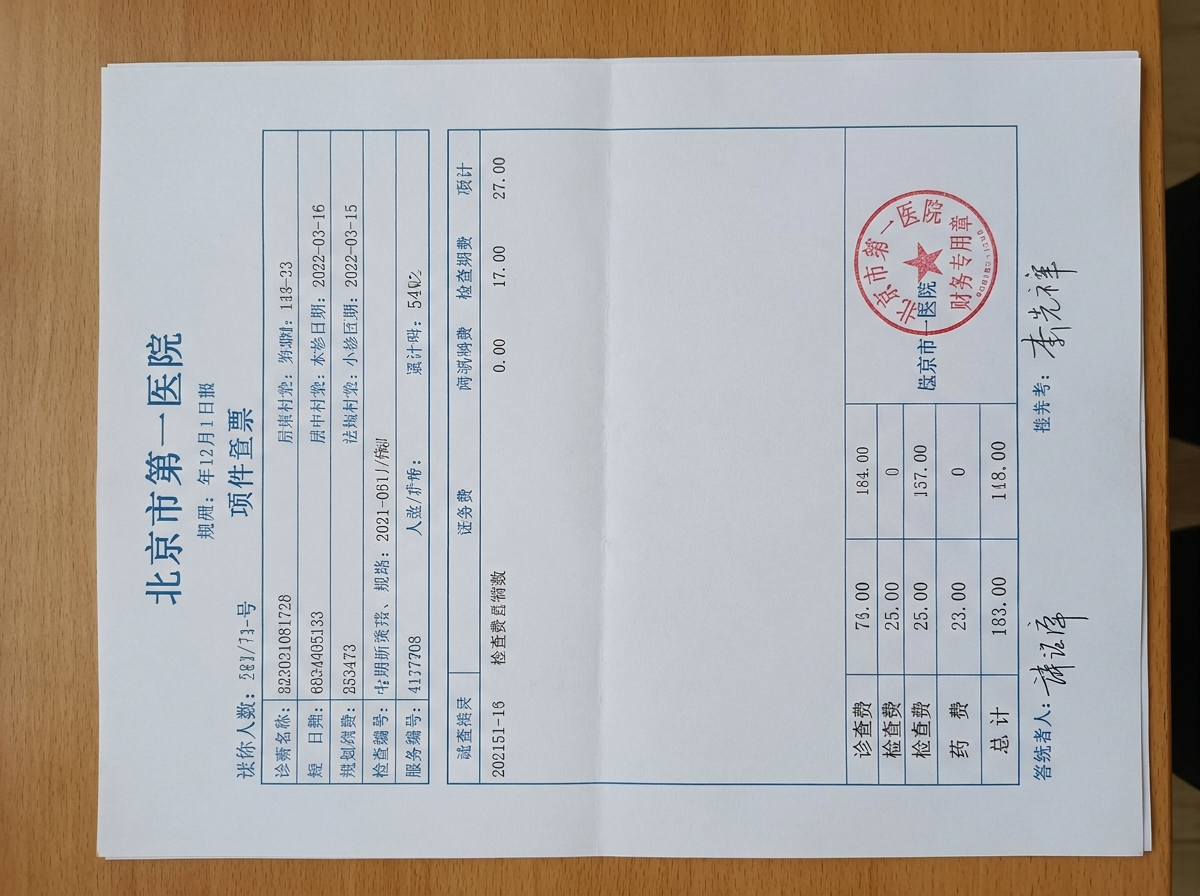
Once the final statement arrives, our guide to reading a Chinese hospital bill covers how to check the line items against the written scope agreed before admission.
For visitors used to US insurance explanations of benefits, the Chinese flow can feel direct and fast. The hospital asks for money before or during care because it is trying to keep the patient account funded. The final settlement happens only after all charges are posted.
The phrase estimate vs final bill China hospital matters because the estimate sits before clinical decisions are complete. If the plan changes, the deposit may need a top-up. If the final account is lower, the refund process begins after discharge or package closing.
| Stage | What it means | What to ask |
|---|---|---|
| Estimate | Expected cost range before all charges are known. | Which items are excluded? |
| Deposit | Prepaid account balance held by the hospital. | What triggers a top-up? |
| Final bill | Actual posted charges after service or discharge. | When can I receive itemized English support? |
What Deposit Do Chinese Hospitals Ask From Foreigners
China hospital admission deposit amounts vary widely by hospital, department, procedure, room class, and whether the patient is using outpatient screening, day surgery, or inpatient admission. A routine check-up may only need package prepayment, while an inpatient procedure may require a larger admission deposit.
As a working planning range, many foreign visitors should expect RMB 5,000-30,000 for common non-emergency admission deposits. Larger surgeries, implants, oncology care, ICU risk, private rooms, and imported consumables can require more. Hospitals may also ask that the account balance stay above a minimum during admission.
Do not treat the deposit as the total cost. It is better to ask for three numbers: the package or procedure estimate, the initial deposit, and the top-up threshold. This makes cash-flow planning clearer and reduces panic at the cashier window.
| Situation | Typical planning range | Notes |
|---|---|---|
| Outpatient check-up | Package prepayment or RMB 3,000-8,000 | Often paid before the visit. |
| Minor procedure / day care | RMB 8,000-20,000 | May require pre-approval and consumable confirmation. |
| Inpatient admission | RMB 10,000-30,000+ | Higher for surgery, private room, or complex care. |
Need help estimating your deposit? Send us your procedure.
How to Pay: Methods Chinese Hospitals Accept
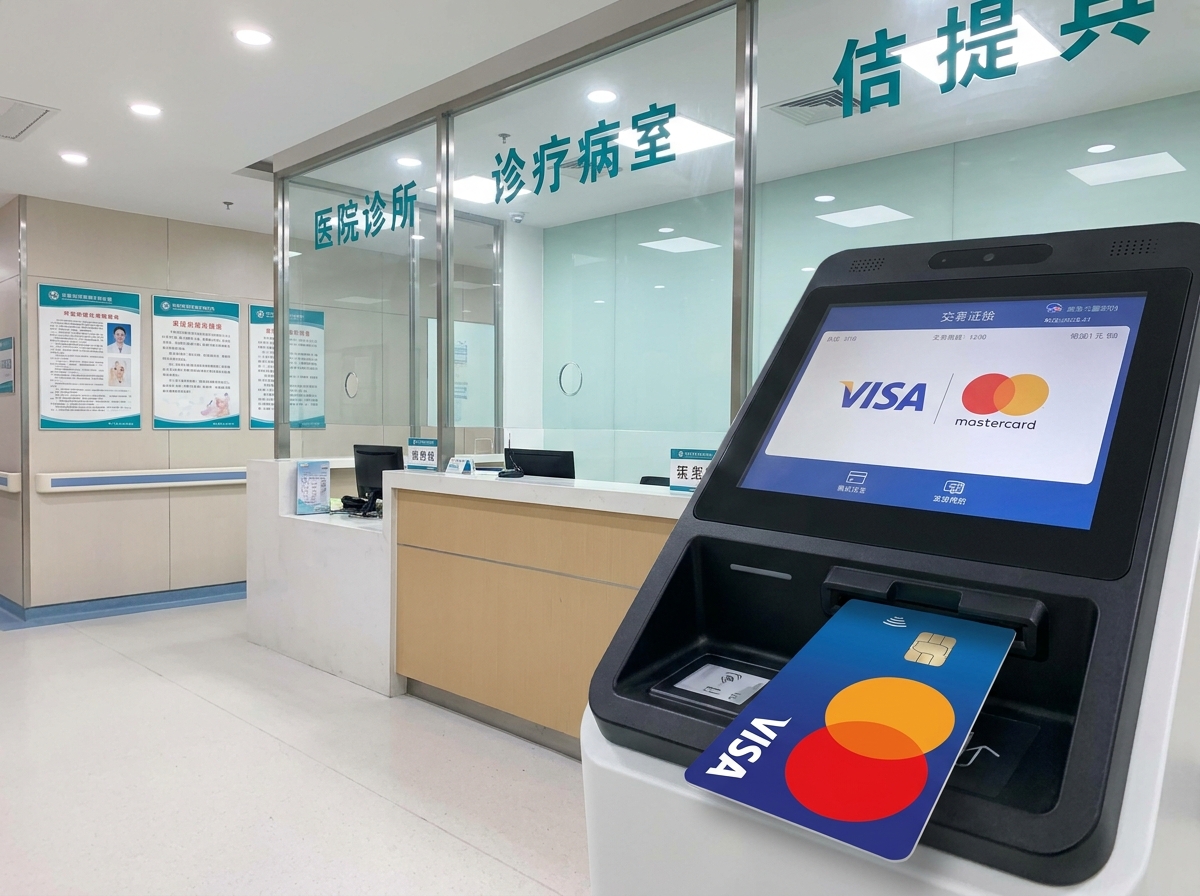
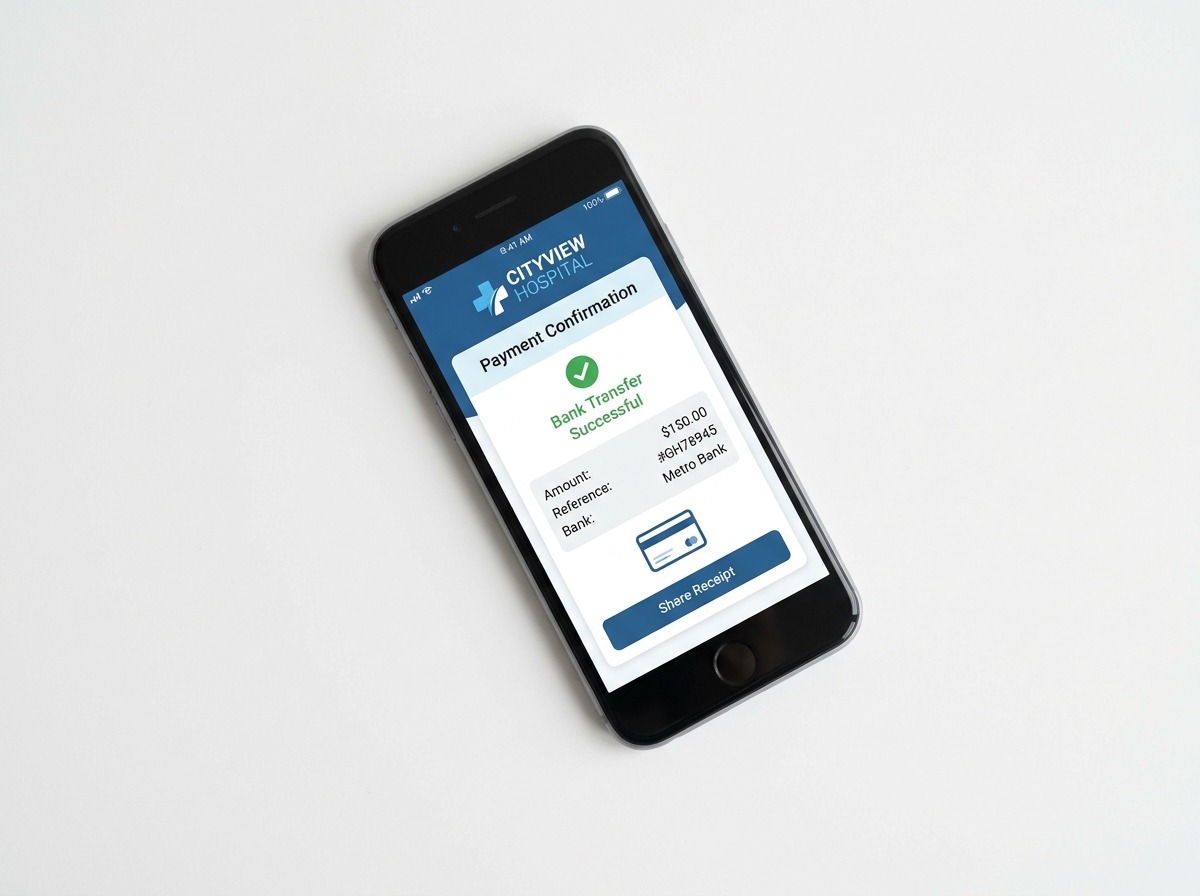
Common hospital payment methods include Alipay, WeChat Pay, domestic UnionPay cards, international Visa or Mastercard at selected counters, bank wire transfer, cash within legal and cashier limits, and sometimes corporate billing for contracted payers.
Can I pay Chinese hospital with international credit card? Sometimes yes, but not always. A private international hospital is more likely to accept international cards than a public outpatient cashier. A public hospital may accept UnionPay more reliably than Visa or Mastercard. Payment terminals can fail, and daily card limits may block large deposits.
Build a backup plan before arrival. Ask whether the cashier accepts international cards, whether the hospital can issue a pro-forma invoice for a bank transfer, whether cash is allowed, whether mobile payment is possible for foreigners, and whether someone can accompany you to the billing counter.
| Method | Works best for | Backup question |
|---|---|---|
| Alipay / WeChat Pay | Small to medium outpatient payments | Is foreign card binding accepted? |
| Visa / Mastercard | Private international hospital counters | Does the exact cashier terminal support it? |
| Bank wire | Large prepayment with notice | How many days before admission? |
| Cash | Emergency backup within limits | What is the hospital cashier limit? |
| UnionPay | China-issued or UnionPay-enabled cards | Does your bank allow the transaction? |
Want a payment checklist for your hospital? Email us.
Top-up During Admission: What If Treatment Costs More
A top-up request usually means the prepaid balance is no longer enough for the expected next stage of care. The trigger may be a longer stay, additional imaging, medication, imported consumables, blood products, procedure change, or room upgrade.
The safest response is to ask for an itemized explanation before paying more. Ask which department requested the new charge, whether it is urgent, whether it is optional, and whether the final settlement could still refund unused balance. If language is a barrier, request written Chinese terms and translate them before deciding.
If you cannot top up immediately, hospital policy varies. Non-emergency services may pause, discharge may be delayed, or the hospital may request another payment method. This is why foreign visitors should carry a backup card, confirm bank limits, and keep a family contact reachable across time zones.
Final Settlement and Refund Process
The hospital refund process China visitors encounter usually has five steps: discharge or package closure, itemized bill check, refund application, receipt or bank-card verification, and bank processing. A typical administrative timeline may be several business days to several weeks; some international refunds can take longer.
Common Chinese billing terms include 预交金 (deposit / prepayment), 费用清单 (itemized expense list), 结算 (settlement), 退费 (refund), 发票 (invoice), 收据 (receipt), and 银行卡原路退回 (refund to original bank card). Ask the cashier which term applies to your case.
Refund timing is not under QGO control. The hospital, bank, card network, and sometimes the insurer determine the actual path. QGO can help organize documents and translate the process; it cannot force approval or accelerate bank settlement.
What QGO Can and Cannot Help With
QGO can help you prepare payment questions before booking, translate key billing terms, request an itemized estimate, coordinate a cashier visit, and organize receipts for your home records. QGO can also help you understand the difference between hospital charges and QGO coordination fees.
QGO cannot receive hospital fees, pay the hospital on your behalf, hold escrow, guarantee refunds, negotiate clinical prices, or change the hospital account. Money for medical services should go directly to the hospital or provider under that provider’s rules.
This boundary protects the patient. It keeps hospital billing traceable, reduces misunderstanding, and prevents QGO coordination work from being confused with medical or financial advice.
Additional Practical Planning Details
For How Foreigners Pay a Chinese Hospital, ask the provider to restate the scope in writing before you commit travel money. The written note should identify what is included, what is excluded, which language the report uses, who reviews the file, how payment is handled, and what happens if a finding or administrative issue changes the original plan.
Keep a clean folder of messages, estimates, receipts, reports, translations, passport identity pages, insurance replies, and hospital contact names. Foreign visitors often lose time because the right file exists but is buried in a messaging app, a travel companion's phone, or an email account that cannot be opened at the hospital counter.
FAQ
Do Chinese hospitals require upfront payment from foreigners?
Often yes. Many hospitals require package prepayment, an admission deposit, or a funded patient account before non-emergency services. The exact rule depends on the hospital, department, service type, and insurance arrangement.
How much deposit do Chinese hospitals typically ask for?
A practical planning range is RMB 5,000-30,000 for many non-emergency admissions, but complex surgery, imported consumables, private rooms, or ICU risk can require more. Ask for the initial deposit and top-up threshold.
Can I pay with my international Visa or Mastercard at a Chinese hospital?
Sometimes. Private international hospitals are more likely to accept international cards than public hospital cashier counters. Confirm the exact payment terminal, card limit, and backup method before arrival.
How long does it take to get a refund from a Chinese hospital?
Refund timing varies. Domestic card refunds may be faster than international bank or card-network refunds. A cautious planning range is several business days to several weeks, and hospital policy controls the process.
What happens if I cannot pay the full amount before discharge?
Policies vary. The hospital may request another payment method, delay non-emergency steps, or require settlement before paperwork is released. Discuss options with the hospital cashier and international department as early as possible.
Is QGO involved in paying the hospital, or only coordinating?
QGO provides coordination support only. QGO does not collect hospital fees, pay hospitals, hold deposits, guarantee refunds, or act as a financial intermediary. Patients pay hospitals directly under hospital rules.
Final Planning Note
For QGO support, send your city, travel dates, passport name, preferred hospital or package, prior reports, medication list, allergies, payment constraints, insurance questions, and the exact questions your local physician wants answered. QGO can help organize non-emergency communication and logistics, but hospitals provide medical services and licensed clinicians make clinical decisions.
References
Sources below are used for policy, hospital-system, accreditation, payment, insurance, travel, and screening context. QGO does not use these references to make an individual medical recommendation.
- National Health Commission of the PRC
- National Healthcare Security Administration
- Beijing Municipal Health Commission
- Shanghai Municipal Health Commission
- Health Commission of Guangdong Province
- Joint Commission International
- Peking Union Medical College Hospital
- Huashan Hospital, Fudan University
- West China Hospital, Sichuan University
- World Health Organization
- Image credit — licensed stock image used under the Pexels License (file trust-payment-inline-1-deposit.jpg).
- Image credit — licensed stock image used under the Pexels License (file trust-payment-inline-2-card.jpg).
- Image credit — licensed stock image used under the Pexels License (file trust-payment-inline-3-bill.jpg).
- Image credit — licensed stock image used under the Pexels License (file trust-payment-inline-4-mobile.jpg).
Image credits