

Medical Care in China for Foreigners
Start with the type of planned support you need. QGO coordinates bookings, bilingual communication and travel arrangements. Licensed providers handle examinations, diagnosis and treatment; QGO is not a medical provider.
How it works: Choose your service → share city, dates and relevant records → confirm provider availability and scope → review booking terms → attend the licensed provider’s assessment → receive records and follow-up instructions.
Foreign visitors should prepare ID, medication and allergy information, prior reports, language needs, payment arrangements and a local follow-up plan. Check responsibilities and your rights before making a travel commitment. Urgent symptoms require local emergency services, not a planned medical trip.
Chinese Healthcare System: What Every Foreign Patient Needs to Know
The Chinese healthcare system is large, mixed, and not easy to judge from outside the country. Foreign visitors usually encounter public tertiary hospitals, private hospitals, international departments, specialist clinics, dental providers, and concierge-supported appointment channels. These categories can look similar in English marketing, but they differ in workflow, payment, language support, and after-visit records.
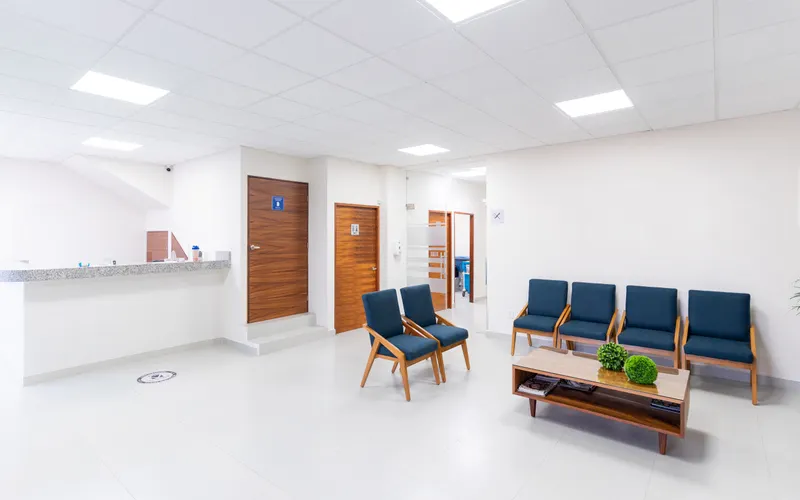
For medical treatment in China for foreigners, the first task is to identify the type of facility that fits the visitor situation. A routine health screening, dental consultation, second opinion, and complex hospital treatment do not need the same pathway. A visitor should not assume that a famous public hospital is automatically easier for foreign patients, or that a private provider is automatically better. The practical question is fit.
Public vs Private Hospitals in China
Public hospitals in China may have broad specialist coverage, high patient volume, and strong department depth. They can be appropriate for complex evaluation or specialist review, but the visitor must plan for crowded registration, Chinese-language systems, short consultation windows, and limited direct billing unless an international department is involved.
Private hospitals and international medical departments can be easier for appointment coordination, English communication, itemized billing, and comfort. They may be practical for health check-ups, selected imaging, dental planning, and outpatient specialist visits. However, provider category does not replace clinical assessment. The visitor should still confirm department scope, emergency pathway, records policy, and price boundaries before booking.
The 3-Tier Hospital System and What 3A Means
China uses hospital grading categories that many foreign visitors hear about as “Tier 3” or “3A.” In general, higher-tier public hospitals are larger institutions with broader departments and training roles. A “3A” label can signal institutional scale and capability, but it should not be read as a personal recommendation, a promise of suitability, or a promise of outcome.
Visitors should compare the hospital category with their own needs. For a planned check-up, the visitor may value English reports, appointment timing, and billing clarity. For specialist treatment, the visitor may need department depth, records review, and a pathway for follow-up after returning home. For dental treatment, sterilization, materials, imaging, dentist assessment, and staged planning may matter more than hospital label alone.
JCI-Accredited Hospitals and International Departments
JCI accreditation is one signal that some international visitors consider when evaluating a hospital, but it is not the only signal. Accreditation status can change, and visitors should verify it directly through JCI current public directory and the hospital official website. QGO does not claim that a provider is officially endorsed by JCI or any government agency unless the visitor independently verifies the source.
International departments may help with English communication, appointment support, and payment documentation. They may still require advance records, passport information, travel dates, and provider review before confirming an appointment. Visitors can also review Best-Fit Hospitals in Shanghai for Foreigners for a category-based approach to evaluating hospital fit in Shanghai.
How Payment Works for Foreign Patients
Payment for medical treatment in China varies by provider category. Some visitors pay directly by card, cash, wire transfer, or mobile payment through a local contact. Some insurers may reimburse after the visit if the hospital provides suitable documents, but direct international insurance billing is not always available.
QGO coordination fees and product deposits should be separated from hospital charges. For example, a QGO deposit or package is not the final medical bill. Final medical charges depend on the provider, the selected service, the clinician assessment, add-ons, scans, medication, and follow-up needs. This is why the Trust Center emphasizes service boundaries and privacy handling.
Already comparing China as a medical destination? Continue to China Medical Tourism. Already planning travel? Jump to Going to China for Medical Treatment.
China Medical Tourism: Why China Is a Top Medical Tourism Destination
China medical tourism attracts attention because major cities can offer broad hospital infrastructure, dental and health screening options, advanced imaging availability, and increasingly mature international coordination. That does not mean China is the best choice for every patient. It may be practical for some international visitors when pricing, records, language support, and follow-up are clearly planned.

The useful comparison is not “China versus another country” in a broad way. It is whether a specific visitor can obtain a suitable provider category, understandable quote, appointment time, report language, and aftercare plan. A visitor who needs a preventive health check-up has a different risk profile from someone seeking surgery, oncology treatment, fertility care, dental implants, or cosmetic dentistry.
What Is Medical Tourism and Why China?
Medical tourism means crossing a border for planned medical evaluation, treatment, dental care, screening, or wellness-related services. In China, common international visitor inquiries include health check-ups, imaging, dental consultations, dental implants, veneers, TCM evaluation, specialist second opinions, and private appointment coordination.
Visitors consider China for different reasons: travel convenience in Asia, family or business ties, shorter appointment windows in selected private channels, interest in Shanghai or Beijing hospital categories, or comparison with local prices at home. None of these reasons removes the need for licensed medical advice. All medical decisions should be discussed with the visitor own doctor and the treating provider.
Cost Comparison: China vs US vs UK vs India
Cost comparison should use reference ranges only. Final medical prices depend on provider assessment, procedure scope, city, hospital category, imaging, lab work, medication, anesthesia, pathology, pathology review, translation, and follow-up. Visitors should avoid comparing a public starting price in one country with an all-in private package in another country.
| Planning area | China reference planning point | What can change the final price |
|---|---|---|
| Health check-up | Package and provider category matter more than a single headline price. | Tests included, imaging, report language, add-ons, city, and physician review. |
| Dental consultation | The Dental Implant Consultation Deposit is a coordination deposit, not the full treatment fee. | X-rays, CBCT, materials, dentist assessment, treatment staging, and follow-up. |
| Travel support | Medical Travel Concierge China can support planning and coordination. | Airport pickup, translation hours, appointment complexity, and schedule changes. |
Most Popular Cities for Medical Tourism
Shanghai, Beijing, Guangzhou, Chengdu, and Hainan are often discussed in medical travel planning because they have large healthcare ecosystems, transport links, or policy interest in international services. QGO does not rank or recommend a city as medically superior. The right city depends on the visitor procedure, provider category, language needs, time window, and follow-up plan.
For many foreign visitors, Shanghai is practical because it combines international flights, private medical options, dental providers, and English coordination possibilities. Visitors evaluating Shanghai provider categories can use Best-Fit Hospitals in Shanghai for Foreigners as a starting point, while still verifying the specific provider independently.
Common Procedures: Health Check-ups, Dental, and Cosmetic Planning
Common planned inquiries include premium health screening, dental implant consultation, veneers, routine dental cleaning, gum evaluation, and cosmetic dental planning. Existing QGO guides cover specific dental price questions such as price veneer in China, teeth cleaning rate in China, and gum graft cost in China.
For larger restorative or cosmetic cases, visitors can also review full mouth dental implants in China, Cosmetic Dentist in China, and All-on-4 dental implants. These guides are planning resources, not medical recommendations.
How China Compares to Other Medical Tourism Hubs
Thailand, Turkey, India, Mexico, Costa Rica, and South Korea each have medical travel strengths. China may be relevant when the visitor already travels to China, wants China-based follow-up, needs Mandarin-English coordination, or is comparing selected dental and health screening pathways. The decision should not be based on claims of being cheapest, best, fastest, or safest.
Before choosing any destination, visitors should ask for a clear scope, reference price, exclusion list, provider category, communication plan, and emergency instructions. If the plan depends on surgery or urgent symptoms, a travel article is not enough. The visitor should discuss timing and risk with a licensed physician.
To understand the hospital structure behind these options, return to Chinese Healthcare System. To prepare a trip step by step, continue to Going to China for Medical Treatment.
Going to China for Medical Treatment: Step-by-Step Guide for Foreigners
Going to China for medical treatment requires more than booking a flight and choosing a hospital name. International visitors should prepare identity details, travel dates, symptoms, prior reports, medication history, allergies, imaging files, and questions. QGO can coordinate inquiry intake and appointment communication, but clinical suitability is determined by licensed providers.

A practical workflow has six stages: inquiry, record review, quote clarification, appointment support, arrival coordination, and follow-up communication. Each stage should preserve the difference between coordination and medical decision-making.
Do You Need a Visa?
Visa rules depend on nationality, travel route, stay length, and current Chinese immigration policy. Some visitors may use ordinary tourism or business travel arrangements, while others may need documentation for medical travel. Visitors should verify current rules through official consular and immigration sources before booking non-refundable travel.
QGO may help organize appointment-related documents when a provider confirms the appointment pathway. QGO does not promise visa issuance, border entry, hospital acceptance, or treatment timing.
Choosing the Right Hospital and Doctor
Provider selection should be based on fit, not broad reputation alone. Useful evaluation points include English report availability, billing clarity, international desk workflow, emergency pathway, appointment process, records handling, and follow-up communication. Visitors should be cautious with any source that promises outcomes, savings, or automatic acceptance.
For planned coordination, QGO may help compare provider categories and explain what information is needed before a provider can respond. It does not diagnose, choose treatment, prescribe medication, or perform medical work.
Booking Appointments and Medical Records
Before booking, visitors should prepare passport name, date of birth, preferred travel dates, symptoms, diagnosis history, prior reports, X-rays or scans, medication history, allergies, and relevant family history. Dental visitors should include oral photos, X-rays, CBCT if available, previous treatment history, and expected travel dates.
Records should be translated when needed, but translation is not the same as medical interpretation. A licensed provider must explain clinical meaning, risks, alternatives, and suitability.
Our medical records translation and second opinion guide covers what to bring from home, and how translation, DICOM export and records review are arranged with the reviewing hospital.
Arrival, Airport Pickup, and Translation
Arrival planning should be simple and realistic. Visitors need airport transfer details, hotel location, hospital appointment time, local payment plan, passport access, communication channel, and emergency instructions. For selected planned visits, Medical Travel Concierge China can help coordinate appointment logistics and follow-up communication.
If a visitor has chest pain, stroke symptoms, severe bleeding, breathing difficulty, loss of consciousness, or rapidly worsening symptoms, they should seek local emergency care instead of waiting for travel coordination. In China, the ambulance emergency number is 120.
Paying for Treatment: Insurance, Cash, Wire, and Documentation
Payment should be clarified before the visit. Some hospitals may issue documents suitable for reimbursement claims, but insurance approval is determined by the insurer. Visitors should ask whether the provider can provide invoices, English reports, itemized bills, and discharge or follow-up notes when relevant.
Reference prices are planning tools only. Final medical costs depend on provider assessment, selected services, medication, imaging, lab work, pathology, anesthesia, hospital stay, and follow-up needs.
Follow-up and Aftercare Back Home
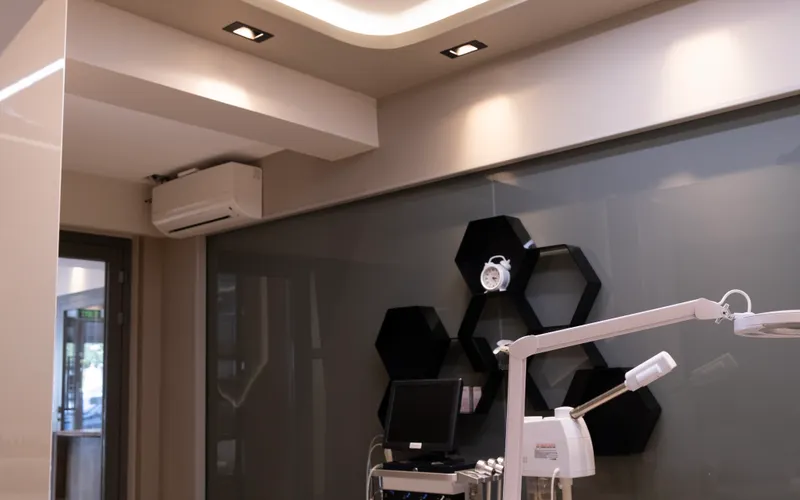
Follow-up is often the weak point in cross-border care. Visitors should ask who explains the report, how corrections are handled, whether English documents are available, and what information should be taken back to the home physician. Dental visitors should clarify staged visits, temporary restorations, implant timelines, and what to do if discomfort occurs after travel.
QGO can support follow-up communication and records delivery within the agreed coordination scope. It cannot replace the visitor home doctor, provide emergency care, or promise that a provider will accept every follow-up request.
Frequently Asked Questions
Is medical treatment in China safe for foreigners?
Medical treatment in China depends on the hospital category, clinician assessment, records, communication, and follow-up plan. QGO Medical China coordinates planned care only and does not promise outcomes.
How much does a health check-up cost in China for foreigners?
Reference prices vary by provider and package scope. The QGO Premium Health Check-up Package is a coordination product, and final medical charges depend on provider assessment and selected services.
Can I get a visa for medical treatment in China?
Visa rules depend on nationality, travel purpose, policy changes, and documentation. Visitors should check official Chinese consular and immigration sources before booking travel.
Do Chinese hospitals accept international health insurance?
Some hospital categories may support direct billing or reimbursement documentation, while others require self-payment. Visitors should confirm authorization with their insurer before the appointment.
What is the best city for medical tourism in China?
Best fit depends on the visitor procedure, language needs, provider category, travel route, and follow-up plan. Shanghai is often practical for international coordination, but it is not an official recommendation.
How do I choose a JCI-accredited hospital in China?
Use JCI and hospital websites to verify current accreditation, then compare department fit, English communication, pricing transparency, and records handling.
Do I need to speak Chinese for medical treatment in China?
Chinese is helpful but not always required for planned care when English coordination and translation support are arranged in advance.
What is the average wait time for a specialist in China?
Wait time varies by city, department, provider category, specialist availability, and urgency. Planned international appointments should be confirmed before travel.
Are dental procedures in China safe for foreigners?
Dental safety depends on dentist assessment, sterilization standards, treatment planning, material choice, and follow-up arrangements. QGO coordinates communication and booking, not the dental treatment itself.
Can I bring my medical records from abroad to China?
Yes. Visitors should prepare passport name, travel dates, symptoms, prior reports, X-rays or scans, medication history, allergies, and questions for the provider.
How QGO Medical China Helps
QGO Medical China provides coordination support for planned medical travel. The service may include inquiry intake, records organization, appointment communication, translation coordination, reference price clarification, deposit workflow, and follow-up communication. It does not provide medical diagnosis, treatment, emergency care, or promised medical outcomes.
Health Check-up Planning
Review Premium Health Check-up Package for scope and reference package planning.
Dental Consultation Deposit
Use Dental Implant Consultation Deposit for appointment coordination. The $100 deposit is not the full treatment fee.
Travel Coordination
Use Medical Travel Concierge China for planned appointment logistics and English communication support.
References
- National Health Commission of the PRC – official English portal: en.nhc.gov.cn
- Shanghai Municipal Health Commission – official portal: wsjkw.sh.gov.cn
- Beijing Municipal Health Commission – official portal: wjw.beijing.gov.cn
- Hainan Provincial Health Commission – official portal: wst.hainan.gov.cn
- Peking Union Medical College Hospital – official website: pumch.cn
- Peking University International Hospital – official website: pkuih.edu.cn
- West China Hospital, Sichuan University – official website: cd120.com
- Joint Commission International – find accredited international organizations: JCI directory
- World Health Organization – health systems: WHO health systems
- Ministry of Foreign Affairs of the PRC – official portal: mfa.gov.cn
- National Immigration Administration – official portal: nia.gov.cn
- Image credit — licensed stock image used under the Pexels License (Pexels photo ID see filename), file medical-treatment-china-foreigners-guide-2026.webp.
- Image credit — licensed stock image used under the Pexels License (Pexels photo ID see filename), file chinese-healthcare-system-hospital-waiting-room.webp.
- Image credit — licensed stock image used under the Pexels License (Pexels photo ID see filename), file china-medical-tourism-doctor-patient-consultation.webp.
- Image credit — licensed stock image used under the Pexels License (Pexels photo ID see filename), file going-to-china-for-medical-treatment-airport-arrival.webp.
- Image credit — licensed stock image used under the Pexels License (Pexels photo ID see filename), file medical-treatment-china-hospital-room-equipment.webp.
Image credits
Medical Disclaimer
Medical Disclaimer: QGO Medical China provides coordination support only. It does not provide medical diagnosis, treatment, emergency care, or promised medical outcomes. All medical decisions should be made in consultation with your local physician and a licensed medical professional in China.
Emergency Notice: If you are experiencing a medical emergency in China, dial 120 (China ambulance). For your home country emergency number, dial 911 (US/Canada), 999 (UK), 112 (EU), or your local emergency number.
Cross-Border Medical Disclaimer: Treatment costs, hospital acceptance, visa issuance, insurance authorization, and treatment outcomes are not promised by QGO Medical China. Verify hospital credentials independently through JCI and official health authority sources before making medical decisions.
医疗免责声明: QGO Medical China 仅提供医疗协调服务。我们不提供医疗诊断、治疗、急诊服务,也不保证医疗结果。所有医疗决策应在您当地医生和中国持牌医疗专业人员的指导下做出。
紧急通知: 如在中国遇到医疗紧急情况,请拨打 120。您所在国家的紧急电话包括 911、999、112 或当地紧急号码。
跨境医疗免责声明: 治疗费用、医院接收、签证签发、保险授权和治疗结果均不由 QGO Medical China 保证。请通过 JCI 和官方卫生主管机构独立核实医院资质。
Editorial Review
Written by: QGO Medical Editorial Team
Reviewed by: QGO Operations Lead
Medical coordination fact check: QGO Medical Coordination Team
Editorial review scope: Cross-border medical coordination workflow, visa policy references, hospital category information, and service boundary accuracy. This article does not provide personal clinical advice.
Last reviewed: 2026-10-26
Next review: 2026-11-26